Home » Talks (Page 3)
Category Archives: Talks
Stefan Pawlicki on Greek Concepts of Human Soul
On March 15th-16th 2025 the first conference of the Academic Club for Ancient Philosophy (Koło Naukowe Filozofii Starożytnej) at the University of Warsaw took place. This academic event was organised by young enthusiasts of ancient thought and gathered scholars from various Polish universitites, and students interested generally in the topic of body and soul or in the subjects of individual papers, the list of which can be found here.
AΦR, naturally, was present at the conference. Tomasz Mróz delivered a paper titled Stefan Pawlicki on the concepts of soul in Greek philosophy. Pawlicki (1839-1916) was once in his career a professor of philosophy in Warsaw, but Mróz’s paper was focused on mature period of his career, when he was a respected professor in Cracow and the author of History of Greek Philosophy. Volume I of this book appeared in print in 1890 (front page on the right) and was the first Polish handbook for ancient philosophy, while the volume III, meant to be devoted to Aristotle, was not finished by the author.
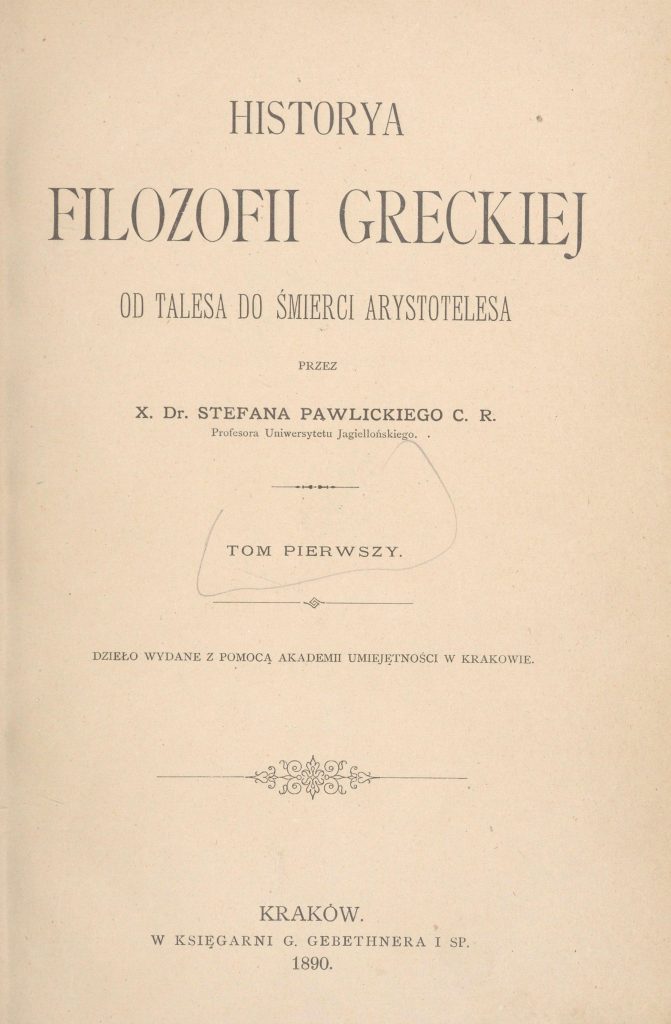
Pawlicki was an admirer of Plato, but instead of presenting well-known opinions of Pawlicki on Plato, Mróz discussed Pawlicki’s criticism of the pre-Socratic thinkers. Pawlicki was a historian of philosophy who aimed not only to provide the readers with an account of the ideas of Greek thinkers, but considered the needs of the Polish reading audiences and supplemented his discussion of the Greeks with assessments and evaluations presented from the Catholic standpoint.
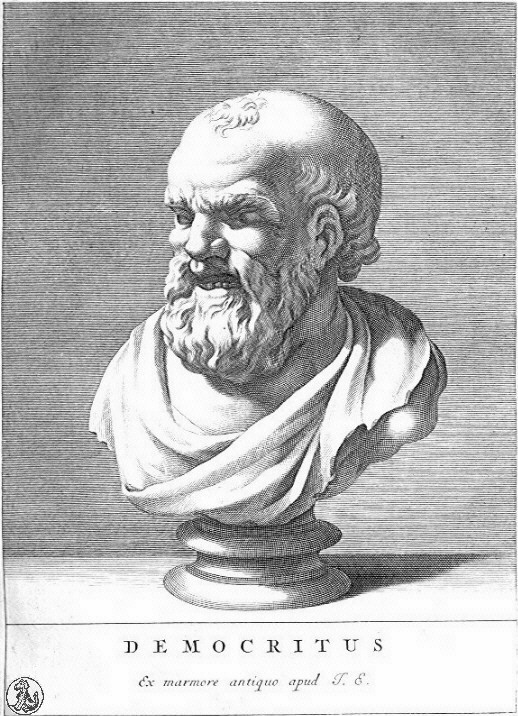
One of Pawlicki’s methods was to draw far reaching conclusions from the fragments of the pre-Socratic thinkers, especially materialist philosophers like Democritus, and then present them as unacceptable. For example, he stressed pantheist traces in Heraclitus and pessimism of Democritus, while at the same time he seemed to appreciate the concept of reincarnation and Pythagorean ethics, as encouraging human beings to improve themselves.
His arguments against most of the Greek concepts of human soul allow to structure them in order of perfection, starting with Aristotle (whom Pawlicki did not manage to present), followed by Plato and Socrates, with Pythagoreanism below, and ending with Heraclitus and Democritean materialism, which was – just like 19th century materialists – a constant subject of Pawlicki’s critical remarks.
Ancient Wisdom in a Lithuanian Interpretation
Connections between Ancient Φilosophy Reception research group at the University of Zielona Góra and the scholars of Vilnius University have been many times documented on this website. This time we want to report on an Erasmus+ teaching visit of a Lithuanian scholar, Mindaugas Stoškus from Vilnius, in the Institute of Philosophy (UZ). He was our guest between 10th and 14th of April.
Among dr Stoškus’ teaching acitivities, there was a lecture titled:
What Can We Learn from the Ancient Concept of Wisdom?
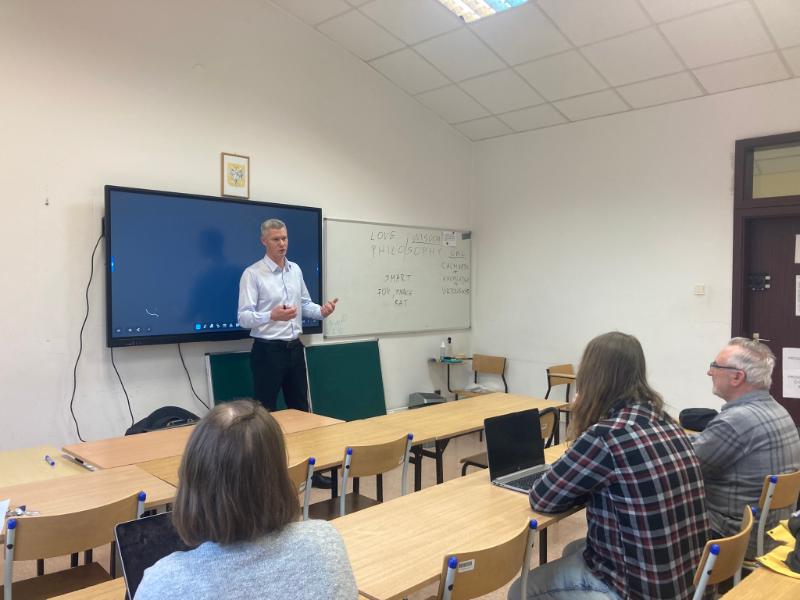
This lecture was delivered twice, during the classes of Philosophical Counselling (above on the photo by A. Habura) and on the course of the History of Ancient Philosophy. At the beginning of his lecture, Dr. Stoškus discussed etymological issues, focusing on the very notion of wisdom. The he took an attempt to enumerate the attributes of the wise man, as the Greeks saw them. They included, for example, knowledge, experience, ability to justify judgments, and desire to disseminate wisdom. Dr. Stoškus discerned philosophical wisdom from its sophistic version and, in conclusion, emphasised the essential connection between theory and practice of wisdom.
Greek philosophy still fares well!
Platonism in Polish Romantic Poetry
On November 18th-19th an interdisciplinary conference took place in the Catholic University of Lublin (KUL), with the University of Warsaw (UW) as a coorganising institution. The title of the event was: The Romantic Tradition. Poetry, Community, Sources. Most of the papers presented during the meeting were focused on Polish poetry and literature of the 19th century Romanticism, nevertheless papers on various philosophical aspects of the epoch constituted a significant contribution to the conference topic.
A member of AΦR research group, Tomasz Mróz, took part in the conference and delivered a talk titled Plato in the Works of Słowacki. Some Observations. Mróz discussed references to Plato in the works by Juliusz Słowacki (1809-1849), a major figure in the period of Polish Romanticism, one of the three poets considered as the National Bards.
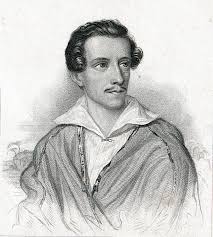
The speaker aimed to demonstrate that most of Słowacki’s references to Plato were incidental, that the poet mixed up Plato’s dialogues (the Phaedrus and the Phaedo) and his knowledge of Plato’s works was limited to their French translations or paraphrases. It was the idea of reincarnation that seemed appealing to Słowacki, but he could have learned it from other sources. The poet used and transformed, however, Plato’s myths and it was the myth of Er from the Republic that became the metaphysical foundation of Słowacki’s great poetic work The Spirit-King. The conclusion of the paper was that in spite of the fact that the name of Plato is present in Słowacki’s legacy, Platonism as a system of philosophical ideas is absent there.
A Guest from Vilnius University
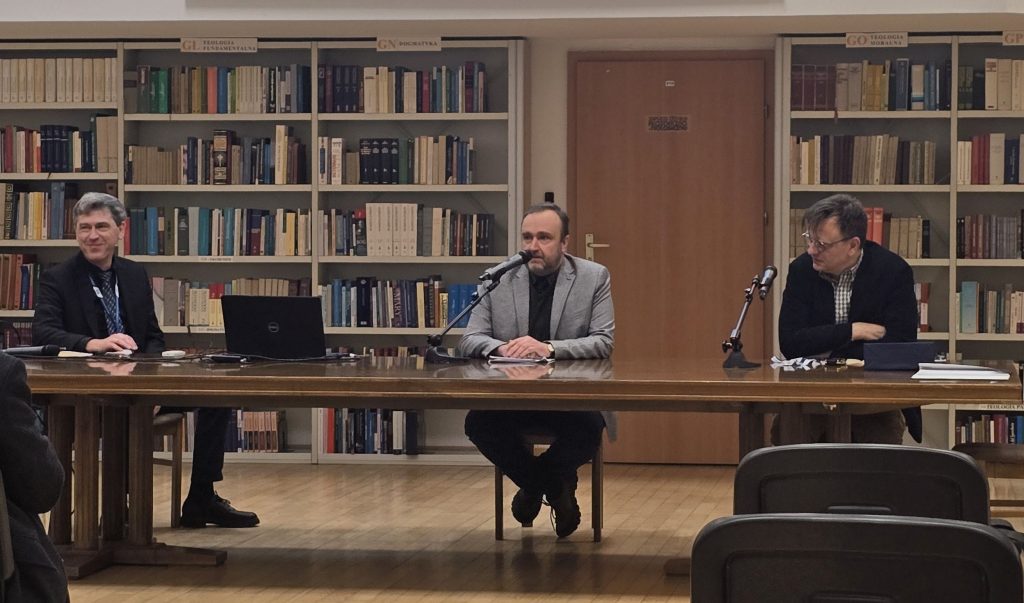
In the last week of November Institute of Philosophy hosted an Erasmus+ visitor from Vilnius University, prof. Jonas Čiurlionis, a long-time collaborator of Ancient Φilosophy Reception research group. It was his second visit in Zielona Góra. One of the tasks of our guest was to consult conclusions of the dissertation by Adrian Habura, the topic of which is a multifaceted reception of Aristotle in Władysław Tatarkiewicz’s oeuvre. It is sufficient to add that prof. J. Čiurlionis is Habura’s auxiliary supervisor.
The most important, however, were Čiurlionis’ lectures and talks for students of philosophy and related fields of study. During the first of them he discussed Aristotle’s Physics. He focused not only on the most significant problems of this work, as, for example, the theory of four elements, but also presented the broader context of Stagirite’s reflection, his fundamental premises and his general view of the world. At the end of the lecture, prof. Čiurlionis referred to Carlo Rovelli, a theoretical physicist, who considers Aristotelian physics to be still topical and not outdated.
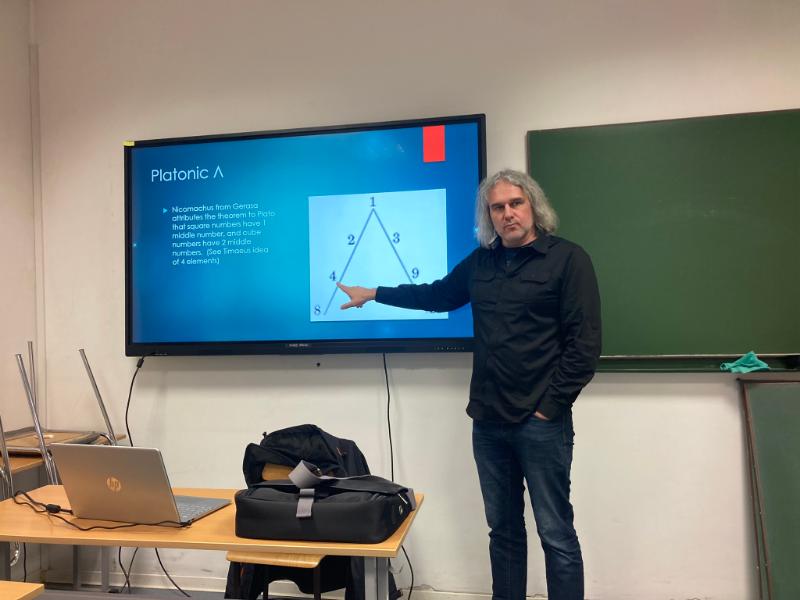
The second lecture on ancient philosophy was devoted to the subject of harmony, broadly considered. Starting with Pythagorean and Platonic concepts, prof. Čiurlionis moved on to other authors dealing with this issue and demonstrated how harmony manifested itself in various aspects of ancient Greek philosophy and, more broadly, in Greek culture, and in subsequent centuries, in music and astrology.
American Platonism and ISNS Dublin Conference
International Society for Neoplatonic Studies, in accordance with its name, promotes studies and academic work on Platonism, Neoplatonism and Platonic tradition broadly considered. In co-operation with various academic centres throughout the world ISNS organises annual conferences with large number of panels covering a wide spectrum of what can be called Neoplatonism. In 2024 the conference was held in Trinity College, Dublin on June 19th-23rd.

Among numerous panels of the Dublin conference there was one on the American Platonic tradition, its title was: Transcendental Echoes: Neoplatonism’s Influence on American Renaissance Thought. The aim of this panel was described by its originator, prof. Sonya Isaak, as follows: “this interdisciplinary panel endeavors to explore the dynamic intersections between Neoplatonism and American Transcendentalism, elucidating the profound philosophical, spiritual, and literary amalgamations that defined this vibrant movement in the 19th century…”. The panel had only three speakers (prof. Jay Bregman, prof. S. Isaak and T. Mróz), but it gathered many participants in the audience who wanted to learn bout the developments of Platonism in the 19th century American thought.
T. Mróz’s paper was titled Paul Shorey as a Plato Scholar and his Influences from Ralph Waldo Emerson. Shorey (1857–1934) was the most eminent and internationally recognised American Plato scholar at the turn of the 20th century. He took part in the then international disputes on interpreting Plato’s philosophy and the very methods of reading and researching the dialogues.
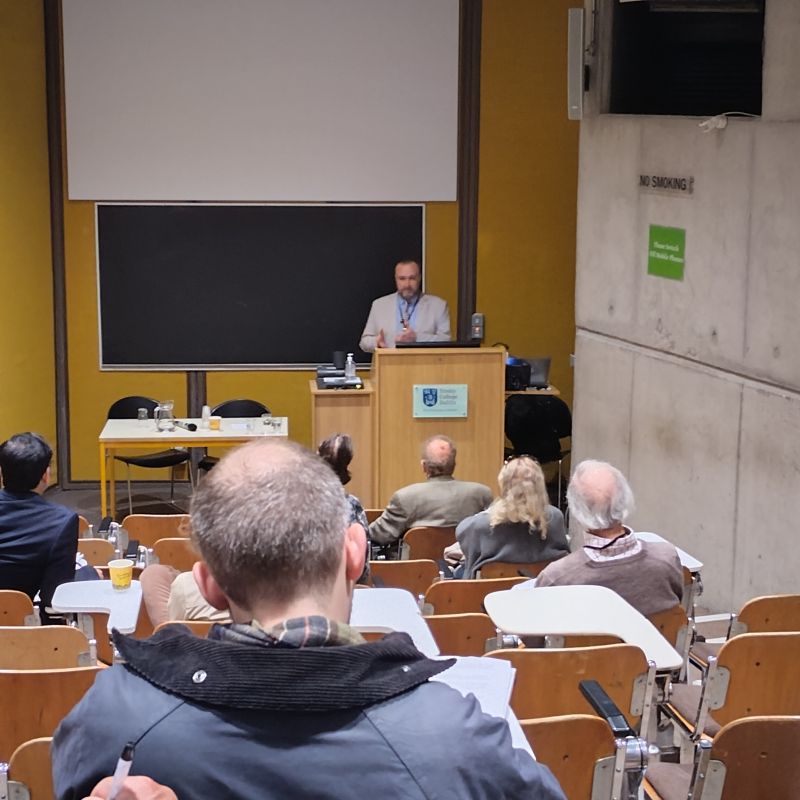
As an American Plato scholar, Shorey, in his works on Plato, did not avoid referring to American writers, with a particular emphasis on Emerson (1803–1882), the author of Representative Men (with a significant essay on Plato). Shorey, naturally, included Emerson in a long line of thinkers inspired by Plato, but the aim of Mróz’s paper was to focus on the influence exerted by the Transcendentalist writer and philosopher, Emerson, on the classics scholar and academic researcher, Shorey. Although he did not hold Emerson as a philosopher in high regard, there are some traits of his thinking of Plato which may be ascribed with Emersonian origins, for example, reading Plato as a moral philosopher and tendency toward unity. Thus the connection between American Transcendentalist movement and academic studies on Plato in American tradition was demonstrated.
History of Classics Discussed at UHK
An essential part of the Oral History and the Classics project was a conference held in the Faculty of Philosophy, University of Hradec Králové. This academic meeting which took place on June 1st-2nd and was titled Classics: the Past, the Present, and the Future. It gathered specialists reflecting on various issues related to the development of classical studies including history of ancient philosophy.
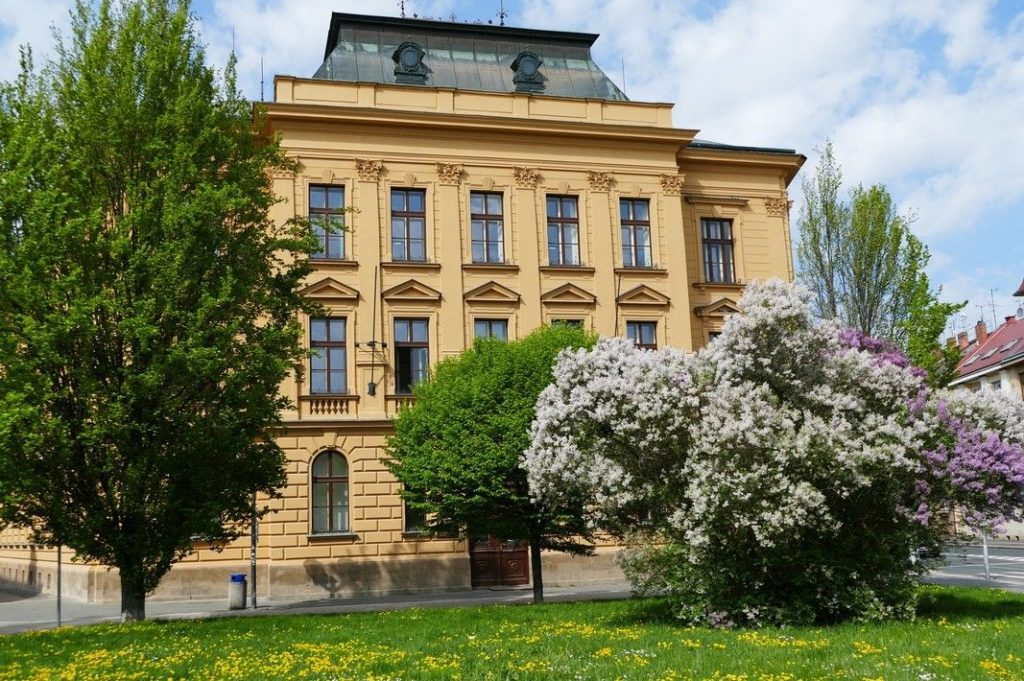
The head of the project and the conference was professor Jaroslav Daneš, with some help from Tomasz Mróz (University of Zielona Góra), a researcher in the project. Participants of the conference focused on historical developments of the classics, including their own experiences, “personal paths”, on recent problems, e.g. with teaching classics, and on the perspectives of future research in this area of studies.
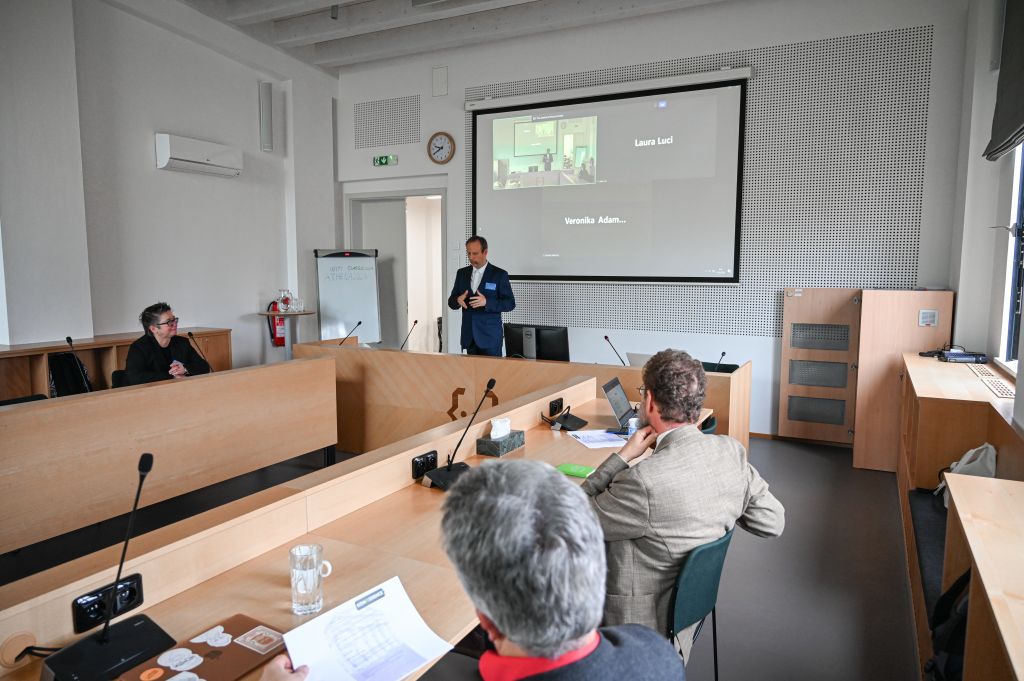
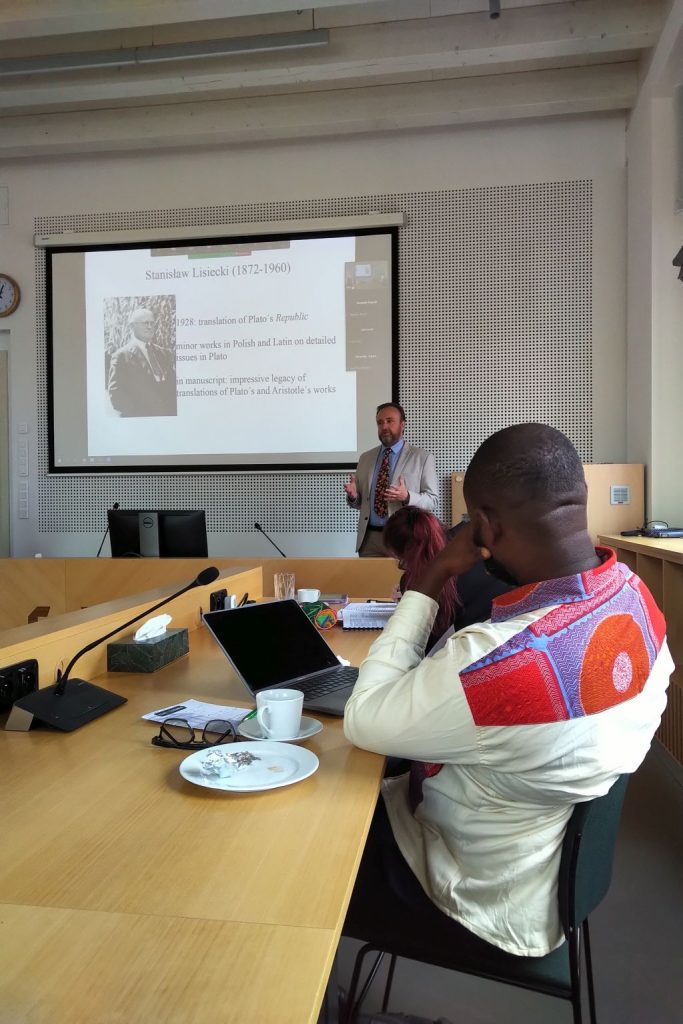
Platonic Inspirations was the title of the session during which an AΦR member,T. Mróz, delivered his paper: Plato in post-war Poland. Continuities and novelty. His talk was devoted to three Polish Plato scholars, who survived the World War II and attempted to include their experience of war and the post-war political situation of Poland into their studies on ancient philosophy. They were, starting with the oldest: Wincenty Lutosławski (1863-1954), Stanisław Lisiecki (1872-1960), Władysław Witwicki (1878-1948). It is sufficient to mention that it was the Marxist interpretation of Plato that was pushed in Poland after the war by Polish Marxist philosophers (e.g. by T. Kroński) and in general works on philosophy translated from Russian. In these circumstances Lutosławski planned to published a volume on Plato presenting him as an intellectual and moral remedy for Europe, Witwicki, quite the opposite, blamed the philosopher for inventing totalitarianism, and Lisiecki turned from Plato to Aristotle, who was more acceptable then as a naturalist and a critic of Plato.
Vitello’s Anthropology and Its Aristotelian Roots
On May 28th-29th 2024 a conference titled Polish Philosophical Anthropology took place in Częstochowa. This event was organised by the Department of Philosophy, Jan Dlugosz University. It was another conference held in Częstochowa that aimed at shedding some new light on selected aspects of the history of philosophy in Poland.
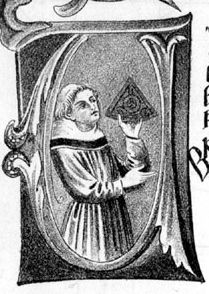
AΦR member, Tomasz Mróz, has participated in this conference with a paper devoted to the philosopher with whom all the histories of philosophy in Poland usually begin. It was Vitello, a 13th century scholar, who is well-known from his theory of demons as animals built from the four elements with air as a dominant factor. Vitello argued that the demons were superior physically and intellectually to all the other animals, including human beings. Human beings, consequently, could only be considered as an intermediary species between apes and demons. In this way Vitello, with the aid of Aristotle, demonstrated that human being can’t be regarded as a crowning creature in the terrestrial world. Let us add on the margin that Vitello took advantage of his expertise in philosophy, natural sciences, medicine and life’s experience to depict vividly various interactions between humans and demons, not all of which can be presented to the minors 😉
Recent commentaries