Home » Posts tagged 'J. V. de Pina Martins'
Tag Archives: J. V. de Pina Martins
Renaissance Platonism in Polish Debates at the symposium in Saint Louis, MO
In June (9th-11th) 2025, Saint Louis University (Saint Louis, Missouri) held the Twelfth Annual Symposium for Medieval and Renaissance Studies (SMRS). This year’s optional theme was Synthesis and Reconciliation.

Symposium gathered over a hundred of scholars debating on various aspects of mediaeval and Renaissance studies, but only a couple of papers were devoted to philosophy or historiographical discussions. A booklet including a plentiful schedule, all the sessions, papers etc. can be downloaded here. Tomasz Mróz’s paper was delivered during a session titled Studying Renaissance Literature and Philosophy Through New Eyes. Mróz’s attendance at the SMRS was funded through a “Small Grant” scheme from his home institution, University of Zielona Góra, and his presentation was devoted to Bohdan Kieszkowski: Florentine Platonism between Ideology and World War II: The Case of Bogdan Kieszkowski (1904-1997).
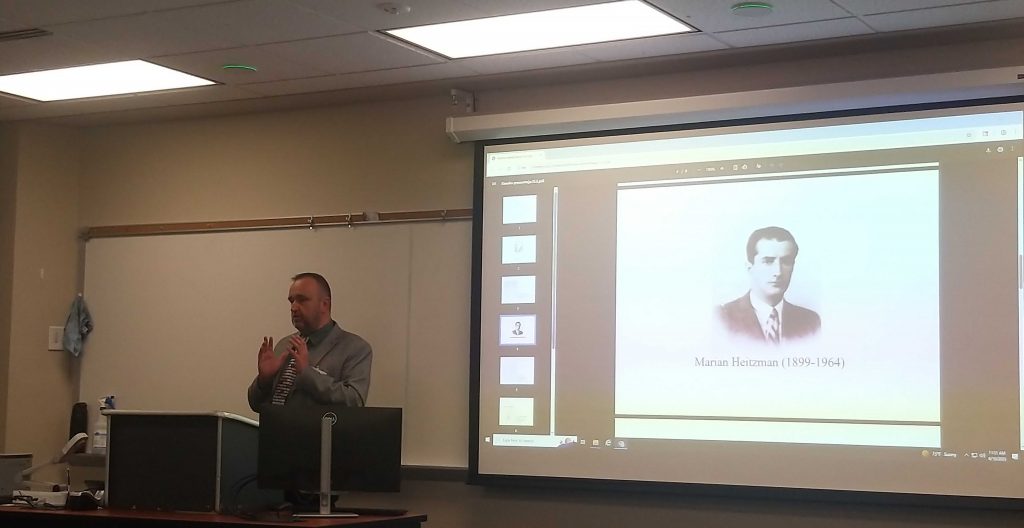
It was for the first time that Kieszkowski’s life and works were presented to international audience. Mróz discussed his biography, including successful beginnings of his academic career in interwar Poland and his later difficult life on the exile in Paris, as well as various hypotheses regarding undocumented period of his life directly following the war. Philosophical part of the paper focused on Kieszkowski’s dispute with Marian Heitzman (1899-1964), who accused him of underestimating the influences of mediaeval neoplatonism on Ficino and it was the role of mediaeval philosophy in forming Renaissance Platonism that turned them against each other. After the war, in 1973, Kieszkowski managed to publish the edition of Pico della Mirandola’s Conclusiones (Geneve 1973). This book was based on the materials he had been able to collect and study in various European libraries before the war and thus his work was far from perfection. Reviews of this book emphasised insufficient accuracy in editing the original Pico’s text, yet his scholarship and experience in Renaissance philosophy were assessed as indisputable. The most eminent and meticulous critic of this late Kieszkowski’s work was a Portuguese scholar, José Vitorino de Pina Martins (1920-2010).
A dozen of scholars attended the session and the questions from the audience were concerned both with biographical and philosophical parts of the paper, that is, with Kieszkowski’s later life on exile as a possible consequence of a PTSD resulting from his serious bullet wounds and subsequent disabilities, and with the connection between the developments of neo-Scholasticism in Poland and Europe and resulting appreciation of the role of mediaeval culture and philosophy.
Ancient Φilosophy Reception at the 12th Seminar of Historians of Polish Philosophy

Seminar of Historians of Polish Philosophy (SHPPh) is a cyclical academic event held at various universities in Poland since its first edition in Warsaw in 2006. In 2025 (May 19th-20th), it was for the first time at the University of Zielona Góra (UZ) where Polish researchers of their native philosophical traditions gathered. Central topic of this edition of SHPPh was the problem of classical thinkers and epigons in the development of Polish thought. Detailed programme of the whole event can be downloaded here.
The seminar was also an opportunity to celebrate the second edition of the book Classics of Polish Philosophy by Ryszard Palacz, an essential figure for historians of philosophy at UZ, and a researcher of reception of Greek philosophy in medieaval thought, about whose passing we have informed in the autumn of 2024. Full program of the event can be downloaded here and a brief report (in Polish) on the UZ’s website can be found here (with a photo gallery). The seminar was accompanied by an exhibition devoted to Professor Palacz and many speakers referred to his work and his understanding of classical Polish philosophers.

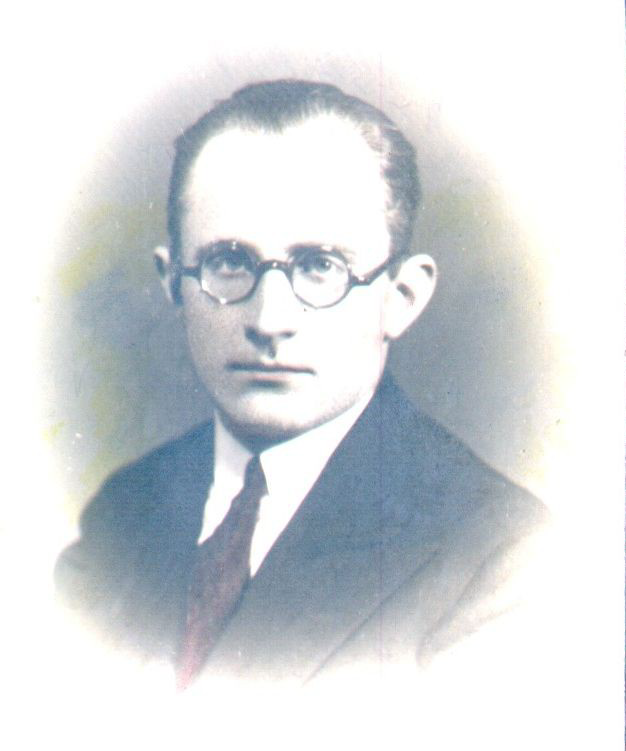
Two AΦR group members delivered their papers during the SHPPh. Tomasz Mróz talked about Bohdan Kieszkowski (1903-1997) and about Polish and international disputes on his works on Florentine Platonism.
In the thirties in Poland Kieszkowski was engaged in a dispute with Marian Heitzman (1899-1964), who accused him of underestimating the influences of medieval neoplatonism on Ficino. Heitzman and Kieszkowski, two scholars of one generation, two researchers of Renaissance Platonism, represented two different academic centres, conservative Cracow and more progressive Warsaw, and their polemical texts were published separately in philosophical journals in Cracow (Heitzman) and Warsaw (Kieszkowski). Kieszkowski, naturally, considered Heitzman’s position to be an overestimation of medieval influences on Renaissance’s thought and labelled it as ‘medievalism’. On international niveau a polemic against Kieszkowski’s work came from a Portuguese scholar, José Vitorino de Pina Martins (1920-2010), who praised Kieszkowski’s scholarship, yet spared no words of criticism against Kieszkowski’s edition of Pico della Mirandola’s Conclusiones (Geneve 1973).
Adrian Habura’s talk smoothly concluded the whole conference focusing, on the one hand, on a paper titled Four Understandings of Classicism by Władysław Tatarkiewicz (1886-1980), and on the other hand, on Palacz’s (1935-2024) arguments for including Tatarkiewicz among the classics of Polish philosophy.
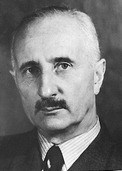
Habura analysed Tatarkiewicz’s notion of classicism and supplemented Palacz’s arguments for including Tatarkiewicz among the classics, demonstrating that not only his History of Philosophy, History of Aesthetics, and History of Six Ideas, that is, basically historical studies, but also his Analysis of Happiness, the original philosophical work by Tatarkiewicz, bears the mark of classic. Ethical considerations in the Analysis of Happiness, noticeably influenced by Aristotle, not to mention Tatarkiewicz’s doctoral degree from Marburg on a thesis devoted to Aristotle, allowed Habura to highlight an additional aspect of Tatarkiewicz as a classic, for he was not only a classic among Polish philosophers, but also a classic in another understanding: as a follower or – to use the term proposed by Juliusz Domański – a user of Aristotelian philosophy. And it was Aristotle whom Tatarkiewicz himself regarded as the most classical among all the classical philosophers of ancient Greece.
AΦR at the Twelfth Polish Congress of Philosophy in Łódź
In September (11th-16th) 2023 the 12th Polish Congress of Philosophy took place in Łódź. Three members of AΦR took part in this great event, and they delivered four papers there. Tomasz Mróz spoke about three traditions of doing philosophy and three interpretations of Plato at the ancient philosophy section, and the other three papers were presented in the section of Polish philosophy: on the influence of Aristotle on the works of W. Tatarkiewicz (Adrian Habura); on H. Jakubanis’ arguments for the reneval of philosophy in accordance to its ancient roots (Mariam Sargsyan); and on B. Kieszkowski, a researcher of Renaissance Platonism, on his life, works and their reception (again T. Mróz).
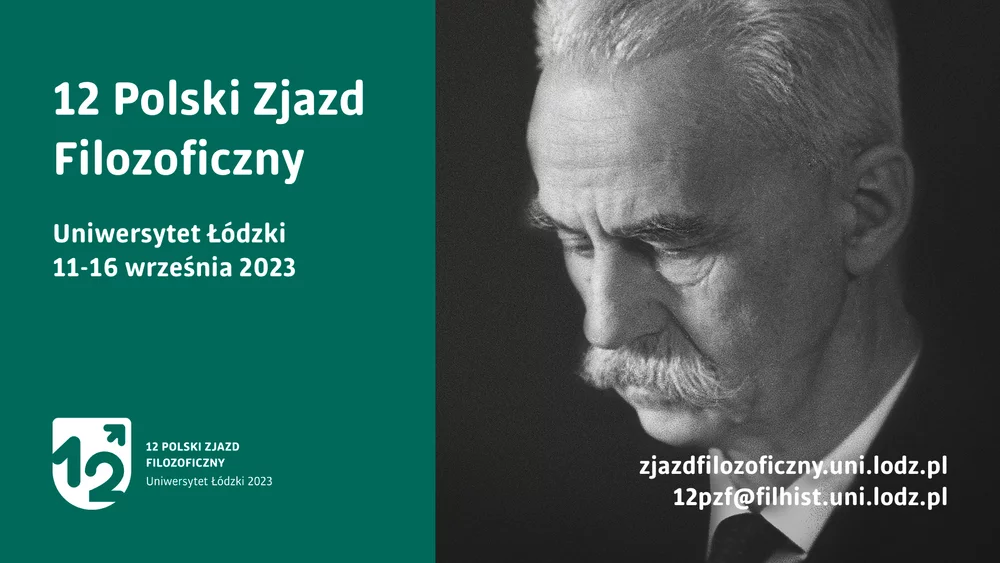
T. Mróz’s paper, Three Traditions of Doing Philosophy and Three Interpretations of Plato, was devoted to presenting three Plato scholars of the turn of the 20th century, Paul Natorp (1854–1924), a German, Paul Shorey (1857–1934), an American, and Wincenty Lutosławski (1863–1954), a Pole, and their interpretations of Plato. Mróz attempted to relate these three personalities of one generation and their Platonic studies with their native, dominant philosophical traditions: neo-Kantianism, Emersonian tradition and Polish Romantic Messianism. Their methodologies, views on the chronology of the dialogues and the status of ideas were discussed, as a starting point for future comparative research of their Platonic studies and reciprocal references.
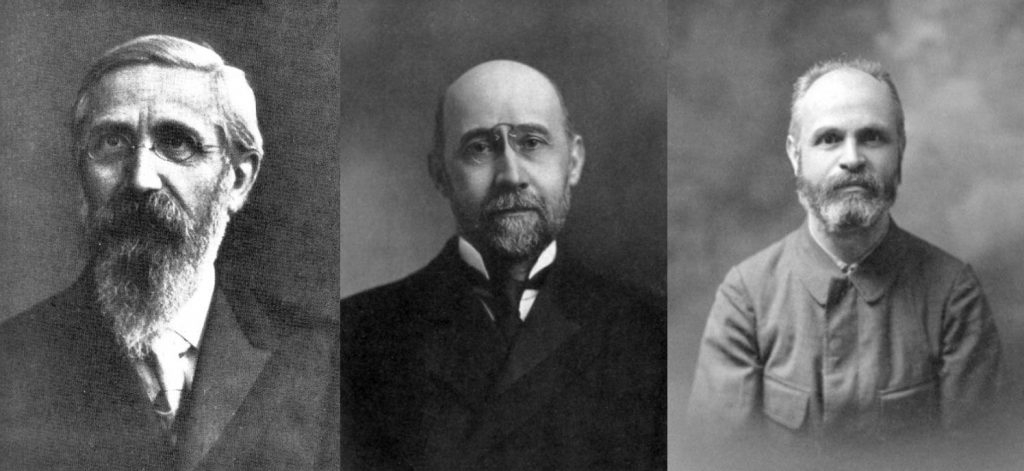
M. Sargsyan’s presentation was titled: Arguments of Henryk Jakubanis (1879-1949) for Renewal of Philosophy and Culture on the Ancient Model. It started with an introductory part about the biography of Jakubanis to familiarise the audience with his personality. Then the main part followed and it consisted in discussing Jakubanis’ work The Significance of Ancient Philosophy for the Modern View of the World (1910). Historical and philosophical research methods of Jakubanis were analysed and compared with those of his academic supervisor in Kyiv, Alexei Gilarov. Another comparative perspective was provided by the works of Tadeusz Zielinski, who was an internationally recognised scholar, and a kind, older colleague for Jakubanis.
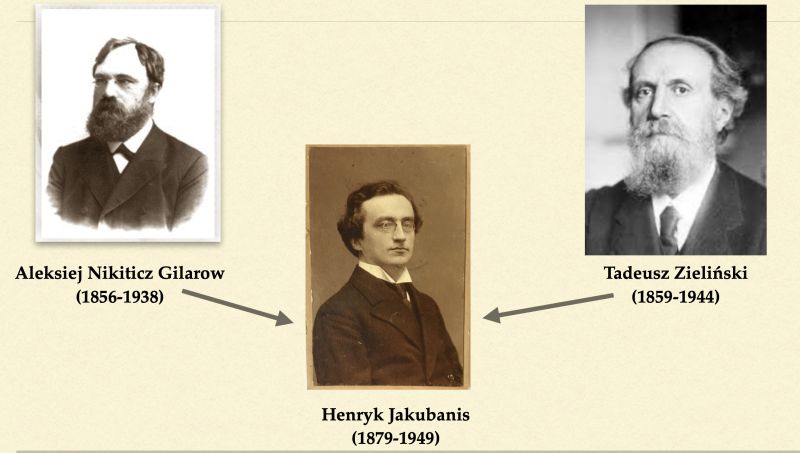
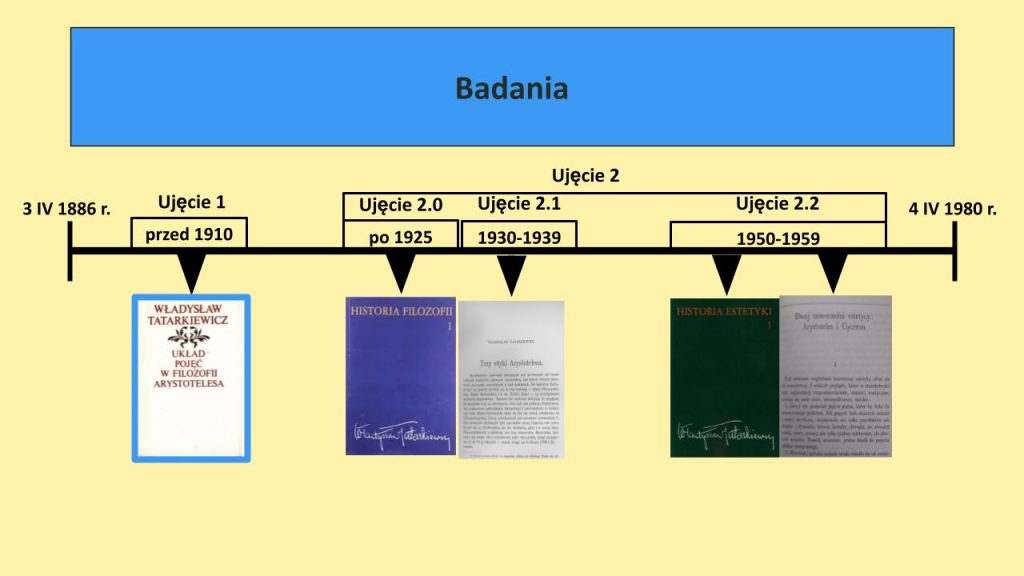
A. Habura’s paper was titled Aristotle in the Works of Władysław Tatarkiewicz and divided into two parts. In the first one, following Tatarkiewicz’s own statement, Habura distinguished two “images” of Aristotle’s philosophy which Tatarkiewicz had developed during his research career. Habura took into account various works of Tatarkiewicz and demonstrated that these two images were not contradictory, but rather complementary to each other. In the second part of his presentation Habura distinguished five aspects of Aristotle’s inspiration in Tatarkiewicz’s works, in accordance with Tatarkiewicz’s own reflection on this topic, and proved a significant, substantial and lasting impact of Aristotle on Tatarkiewicz’s original philosophical investigations.
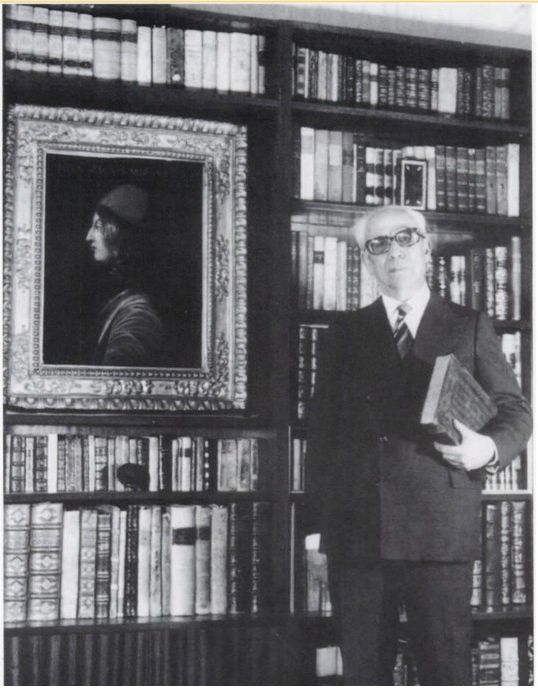
Second paper by Mróz was a presentation of a further development of his research on Bohdan Kieszkowski, a Polish scholar who was a specialist on Renaissance Platonism and Pico della Mirandola. Earlier this year Mróz discussed Kieszkowski’s biography, but this time the focus was on Kieszkowski’s works and their reception, that is, his polemic with another Polish expert in Renaissance philosophy, M. Heitzman (1899-1964), on the sources of Renaissance Italian Platonism, and a critical reception of Kieszkowski’s edition of Pico’s Conclusiones (1973) by a Portuguese researcher, José Vitorino de Pina Martins (1920-2010). Heitzman searched for the roots of philosophy in Florentine Academy in medieval thought, while Kieszkowski tended to emphasise the role of ancient sources. As for Pina Martins, he praised Kieszkowski’s erudition, yet pointed to a large number of errors in Conclusiones, resulting from various reasons, including Kieszkowski’s lack of precision in reading Latin texts.
Recent commentaries