Home » Posts tagged 'W. Tatarkiewicz' (Page 2)
Tag Archives: W. Tatarkiewicz
A Guest from Vilnius University
In the last week of November Institute of Philosophy hosted an Erasmus+ visitor from Vilnius University, prof. Jonas Čiurlionis, a long-time collaborator of Ancient Φilosophy Reception research group. It was his second visit in Zielona Góra. One of the tasks of our guest was to consult conclusions of the dissertation by Adrian Habura, the topic of which is a multifaceted reception of Aristotle in Władysław Tatarkiewicz’s oeuvre. It is sufficient to add that prof. J. Čiurlionis is Habura’s auxiliary supervisor.
The most important, however, were Čiurlionis’ lectures and talks for students of philosophy and related fields of study. During the first of them he discussed Aristotle’s Physics. He focused not only on the most significant problems of this work, as, for example, the theory of four elements, but also presented the broader context of Stagirite’s reflection, his fundamental premises and his general view of the world. At the end of the lecture, prof. Čiurlionis referred to Carlo Rovelli, a theoretical physicist, who considers Aristotelian physics to be still topical and not outdated.
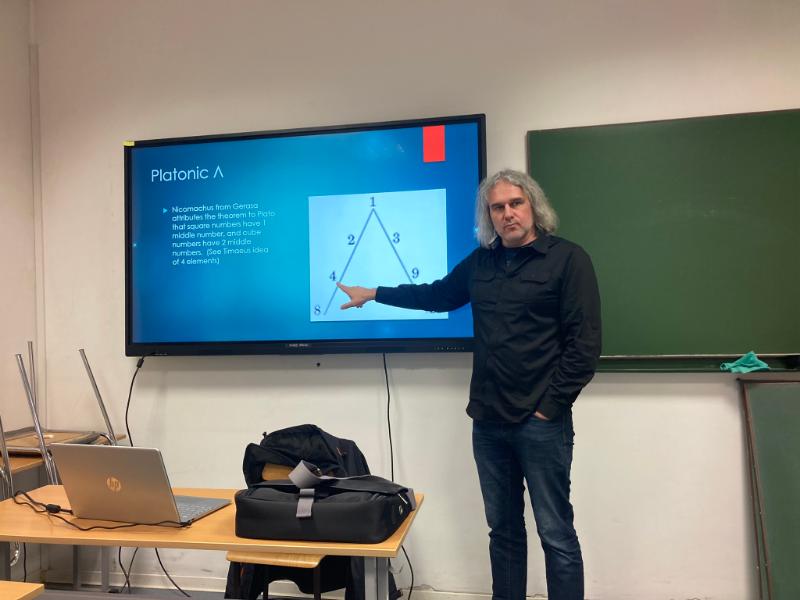
The second lecture on ancient philosophy was devoted to the subject of harmony, broadly considered. Starting with Pythagorean and Platonic concepts, prof. Čiurlionis moved on to other authors dealing with this issue and demonstrated how harmony manifested itself in various aspects of ancient Greek philosophy and, more broadly, in Greek culture, and in subsequent centuries, in music and astrology.
AΦR at the 3rd Congress on Polish Philosophy
The 3rd Congress on Polish Philosophy took place in October (18th-20th) in the Rydzyna Palace. It gathered scholars interested in researching the tradition of Polish philosophy and developing it. Two members of the Ancient Φilosophy Reception research group took part in this philosophical event: Adrian Habura – online, and Tomasz Mróz – onsite. The first of them spoke about the concept of love in the works of Władysław Tatarkiewicz (1886-1980), while the latter – on the history of studies on the reception of ancient philosophy in Poland.
Mróz’s paper was directly concerned with problems related to the reception of ancient philosophy and started with quotes of diverse opinions of two eminent Polish researchers in the history of Greek philosophy, that is, Stefan Pawlicki (1839-1916) and Wincenty Lutosławski (1863-1954). Lutosławski, when composing his works on Plato, searched for Polish authors and their studies to provide references to them, while Pawlicki paid no interest to the works of his compatriots on Greek philosophy.
In more recent decades it was Izydora Dąmbska (1904-1983), a philosopher and historian of philosophy, who published a study on the reception of Plato in Poland (1972), but nowadays many books and papers on this topic were published by the members of the AΦR research group. Concluding his talk Mróz briefly presented research projects of the members of the AΦR and the books they had published, to start with the latest one:
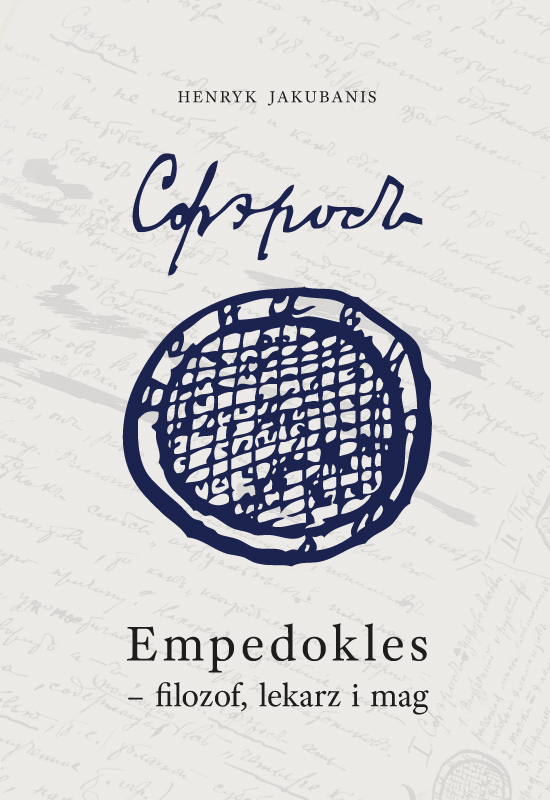
Henryk Jakubanis, Empedokles – filozof, lekarz i mag: Przyczynek do jego zrozumienia i oceny (Empedocles: a Philosopher, a Doctor and a Magus. Materials for Understanding and Assessing Him), transl. from Russian and ed. Mariam Sargsyan, A. Habura, Wydawnictwo Marek Derewiecki, Kęty 2024, 104 pp. (Studies and Texts in the History of Reception of Ancient Philosophy, vol. 3).
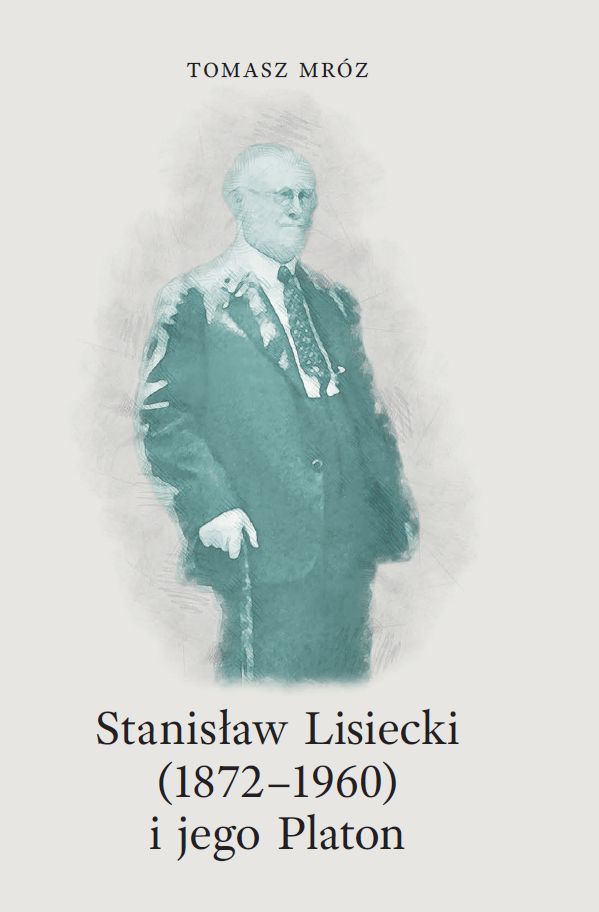
T. Mróz, Stanisław Lisiecki (1872-1960) i jego Platon (Stanisław Lisiecki (1872-1960) and His Plato), Wydawnictwo Marek Derewiecki, Kęty 2022, 150 pp. (Studies and Texts in the History of Reception of Ancient Philosophy, vol. 2).
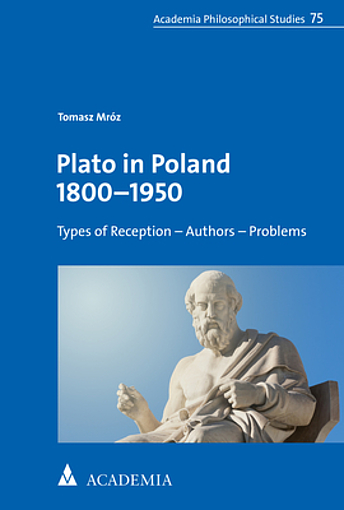
T. Mróz, Plato in Poland 1800-1950: Types of Reception – Authors – Problems, Academia Verlag / Nomos Verlagsgesellschaft, Baden Baden 2021, 480 pp. (Academia Philosophical Studies, vol. 75).
S. Lisiecki, O Platonie, Arystotelesie i o sobie samym (On Plato, Aristotle and on Himself), ed. T. Mróz, Wydawnictwo Marek Derewiecki, Kęty 2021, 367 pp. (Studies and Texts in the History of Reception of Ancient Philosophy, vol. 1).
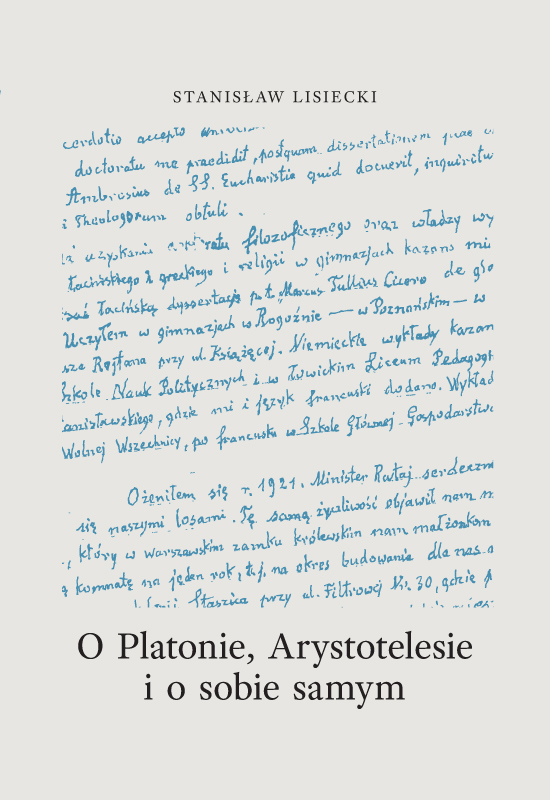
and some earlier ones…
Plato in Poland book available in OA
This post is only to announce that the book by T. Mróz, Plato in Poland 1800-1950. Types of Reception – Authors – Problems (Academia Verlag/Nomos Verlagsgesellschaft, Baden Baden 2021), as a result of the agreement with the publisher, is now available free in open access on the Nomos Verlag website here and in the repository of the University of Zielona Góra, here. Enjoy!
(Another) Erasmus+ Teaching Visit in Vilnius
In April, 15th-19th, 2024, Tomasz Mróz enjoyed his fourth Erasmus teaching visit in Faculty of Philosophy, Vilnius University.
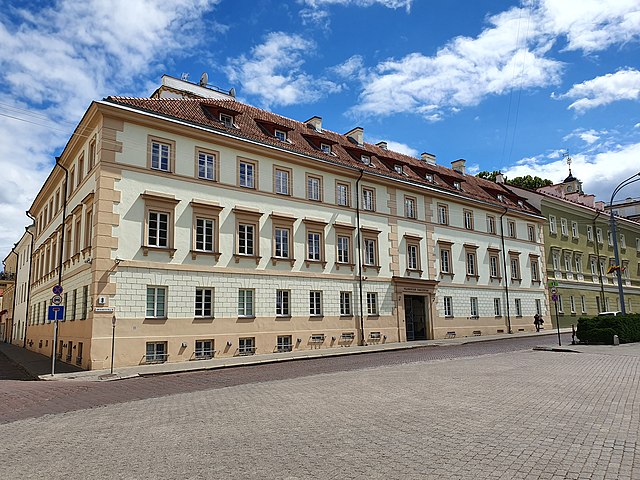
This year, some issues connected to the reception of ancient philosophy were addressed during the lecture on Władysław Tatarkiewicz (1886-1980) and his History of Philosophy. It was ancient philosophy as a subject of various problems in historiography of philosophy.
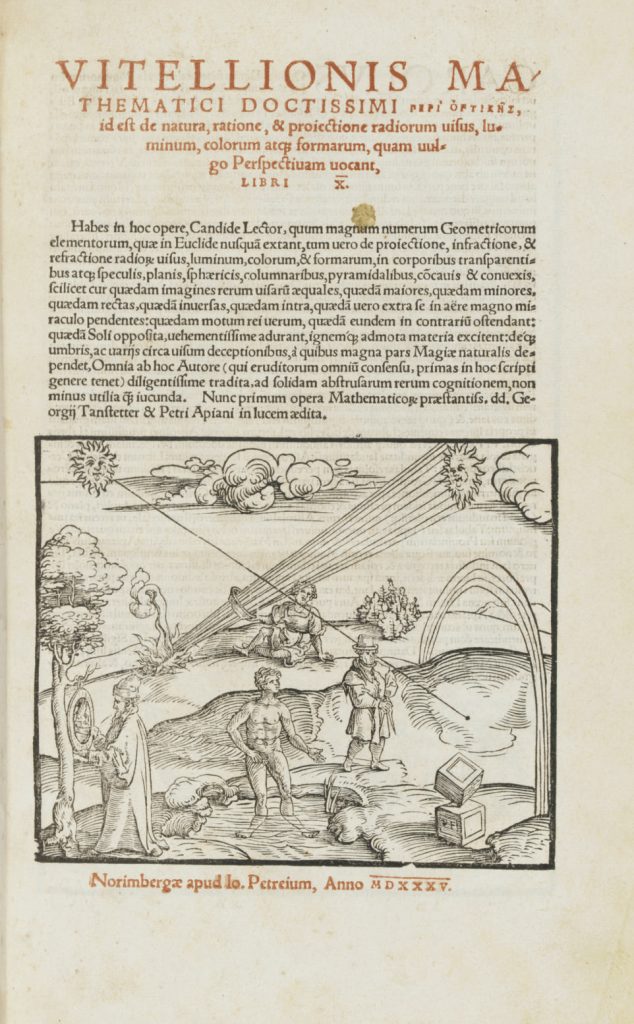
More important, however, was a talk devoted to Vitello (ca. 1230-1300) and his theoretical reflection on the nature of the daemons. Vitello’s demonology stemmed from his research in natural sciences and it employed neo-Platonic and Aristotelian elements, such as a belief in a mathematical structure of the universe, the theory of four elements and natural creatures. Vitello’s philosophical investigations were presented against the background of the 13th century developments in philosophy, especially the Averroist controversy.
Teaching duties were supplemented with meetings with the Faculty members and discussions with students extra universitatis muros. Hopefully, this was not the final chord in the co-operation between Vilnius University and the University of Zielona Góra.
AΦR at the Twelfth Polish Congress of Philosophy in Łódź
In September (11th-16th) 2023 the 12th Polish Congress of Philosophy took place in Łódź. Three members of AΦR took part in this great event, and they delivered four papers there. Tomasz Mróz spoke about three traditions of doing philosophy and three interpretations of Plato at the ancient philosophy section, and the other three papers were presented in the section of Polish philosophy: on the influence of Aristotle on the works of W. Tatarkiewicz (Adrian Habura); on H. Jakubanis’ arguments for the reneval of philosophy in accordance to its ancient roots (Mariam Sargsyan); and on B. Kieszkowski, a researcher of Renaissance Platonism, on his life, works and their reception (again T. Mróz).
T. Mróz’s paper, Three Traditions of Doing Philosophy and Three Interpretations of Plato, was devoted to presenting three Plato scholars of the turn of the 20th century, Paul Natorp (1854–1924), a German, Paul Shorey (1857–1934), an American, and Wincenty Lutosławski (1863–1954), a Pole, and their interpretations of Plato. Mróz attempted to relate these three personalities of one generation and their Platonic studies with their native, dominant philosophical traditions: neo-Kantianism, Emersonian tradition and Polish Romantic Messianism. Their methodologies, views on the chronology of the dialogues and the status of ideas were discussed, as a starting point for future comparative research of their Platonic studies and reciprocal references.
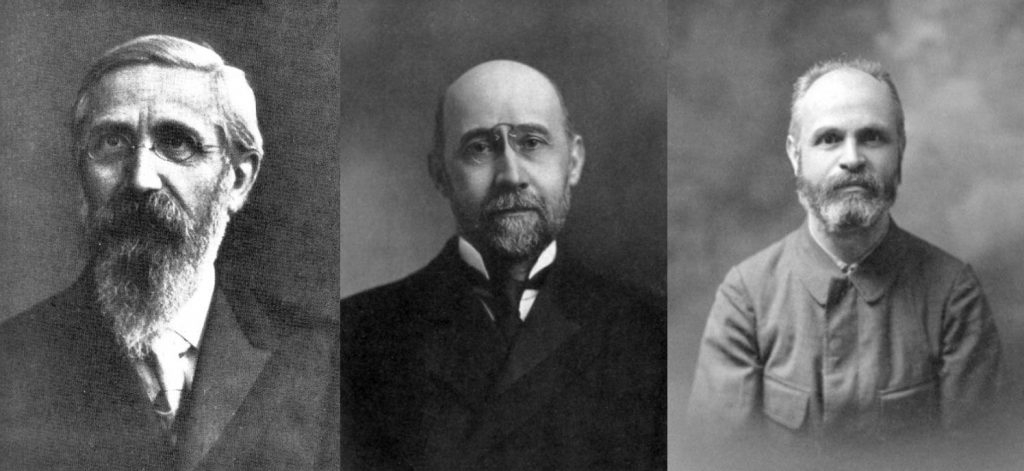
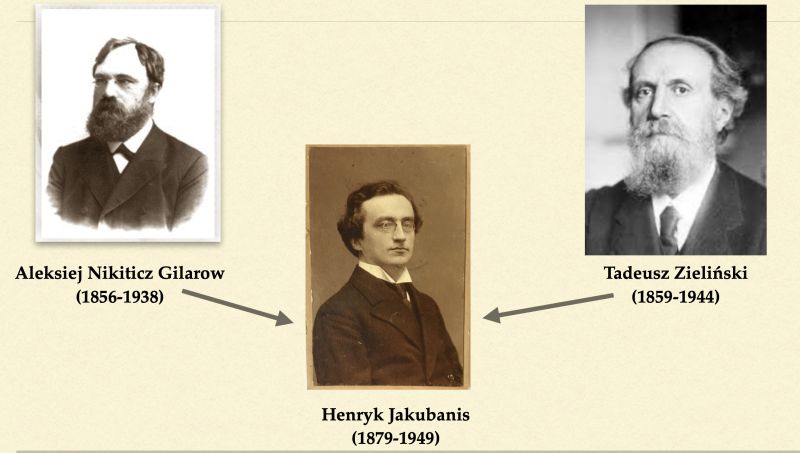
M. Sargsyan’s presentation was titled: Arguments of Henryk Jakubanis (1879-1949) for Renewal of Philosophy and Culture on the Ancient Model. It started with an introductory part about the biography of Jakubanis to familiarise the audience with his personality. Then the main part followed and it consisted in discussing Jakubanis’ work The Significance of Ancient Philosophy for the Modern View of the World (1910). Historical and philosophical research methods of Jakubanis were analysed and compared with those of his academic supervisor in Kyiv, Alexei Gilarov. Another comparative perspective was provided by the works of Tadeusz Zielinski, who was an internationally recognised scholar, and a kind, older colleague for Jakubanis.
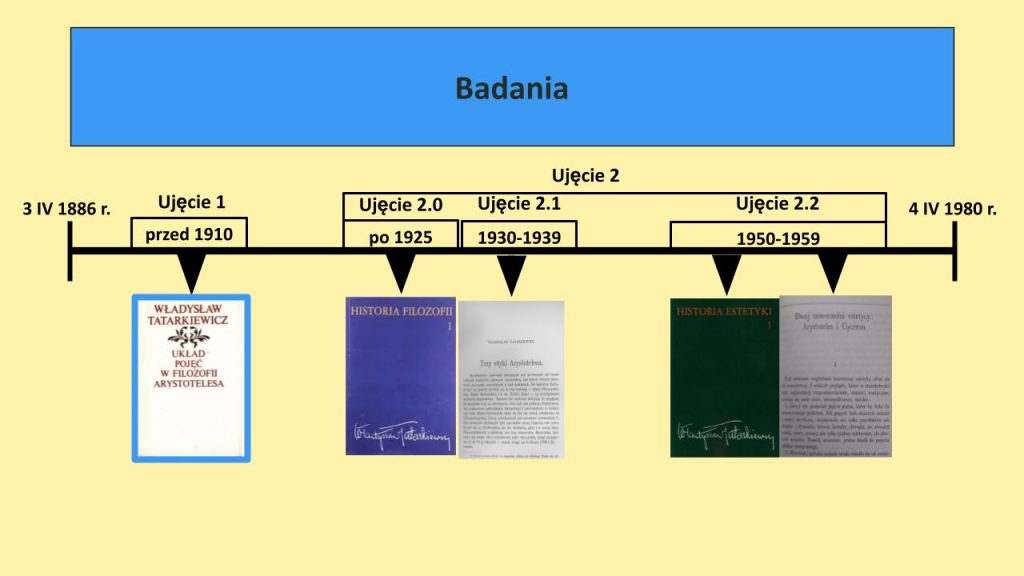
A. Habura’s paper was titled Aristotle in the Works of Władysław Tatarkiewicz and divided into two parts. In the first one, following Tatarkiewicz’s own statement, Habura distinguished two “images” of Aristotle’s philosophy which Tatarkiewicz had developed during his research career. Habura took into account various works of Tatarkiewicz and demonstrated that these two images were not contradictory, but rather complementary to each other. In the second part of his presentation Habura distinguished five aspects of Aristotle’s inspiration in Tatarkiewicz’s works, in accordance with Tatarkiewicz’s own reflection on this topic, and proved a significant, substantial and lasting impact of Aristotle on Tatarkiewicz’s original philosophical investigations.
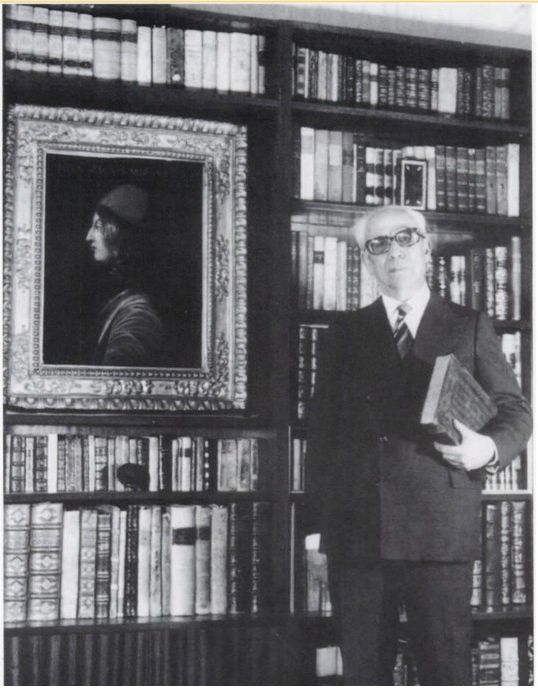
Second paper by Mróz was a presentation of a further development of his research on Bohdan Kieszkowski, a Polish scholar who was a specialist on Renaissance Platonism and Pico della Mirandola. Earlier this year Mróz discussed Kieszkowski’s biography, but this time the focus was on Kieszkowski’s works and their reception, that is, his polemic with another Polish expert in Renaissance philosophy, M. Heitzman (1899-1964), on the sources of Renaissance Italian Platonism, and a critical reception of Kieszkowski’s edition of Pico’s Conclusiones (1973) by a Portuguese researcher, José Vitorino de Pina Martins (1920-2010). Heitzman searched for the roots of philosophy in Florentine Academy in medieval thought, while Kieszkowski tended to emphasise the role of ancient sources. As for Pina Martins, he praised Kieszkowski’s erudition, yet pointed to a large number of errors in Conclusiones, resulting from various reasons, including Kieszkowski’s lack of precision in reading Latin texts.
AΦR at the 11th Seminar of the Historians of Polish Philosophy in Częstochowa
Seminar of the Historians of Polish Philosophy is a cyclic academic meeting which gathers philosophers and historians of philosophy who focus on the history of philosophy in Poland. 11th edition of this seminar was held in Częstochowa at Philosophy Department of Jan Długosz University on May 15th-16th, 2023, and it was focused, not surprisingly, on the topics of war and peace.
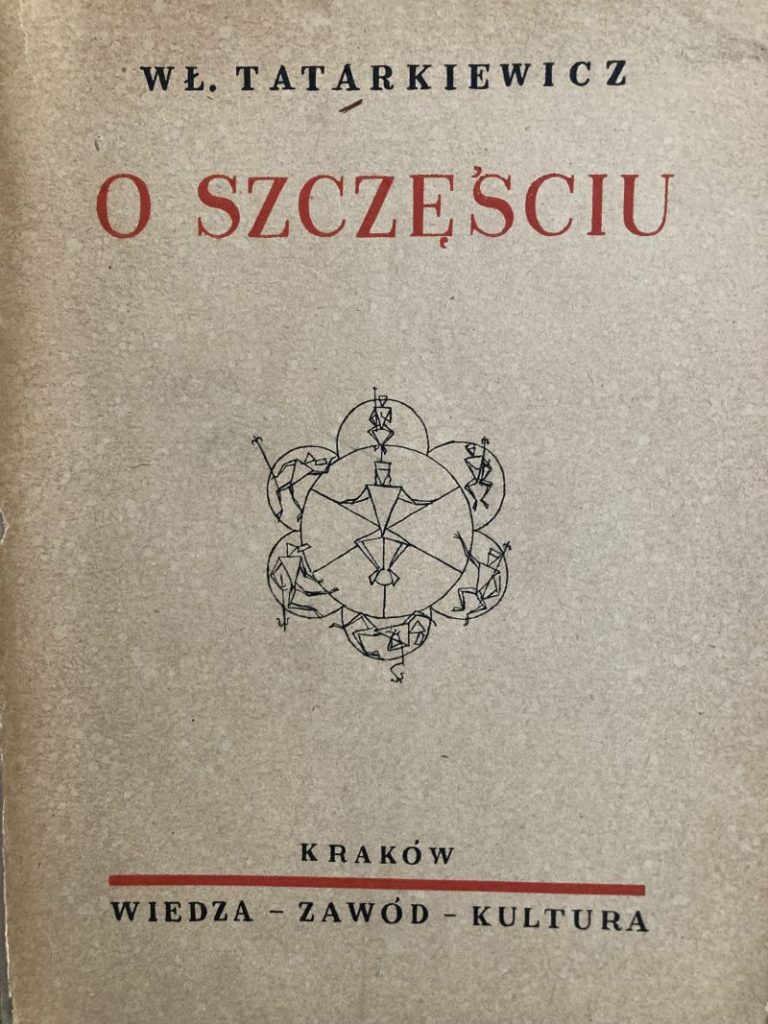
Two AΦR members delivered their papers there. Adrian Habura’s paper was not directly devoted to the reception of ancient philosophy, for he focused on the first edition of Władysław Tatarkiewicz’s (1886-1980) work O szczęściu [Analysis of Happiness] (1947), and took an attempt to analyse the content of the book and search for the topics related to war issues to determine possible origin of each chapter, that is, to divide the chapers into two groups: those composed by Tatarkiewicz before the outbreak of the World War II and those compose after it.
Tomasz Mróz, in turn, presented a largely unknown biography of a 20th century Polish researcher of Florentine neo-Platonism. His presentation had a long title: Bohdan Kieszkowski (1904-1997): a Researcher of Renaissance neo-Platonism and His Career Destroyed by the War (with the materials collected by Professor Czesław Głombik).
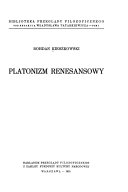
Kieszkowski published his works in Polish, Italian and French, and edited Conclusiones by Giovanni Pico della Mirandola (Geneve 1973). His opus vitae was the book Platonizm renesansowy [Renaissance Platonism] (Warszawa 1935), subsequently published in Italian as Studi sul platonismo del rinascimento in Italia (Firenze 1936). His studies were discussed mostly in Poland, Italy, France and Spain, but existing sources allowed only to reconstruct his biography to the first years after the World War II.
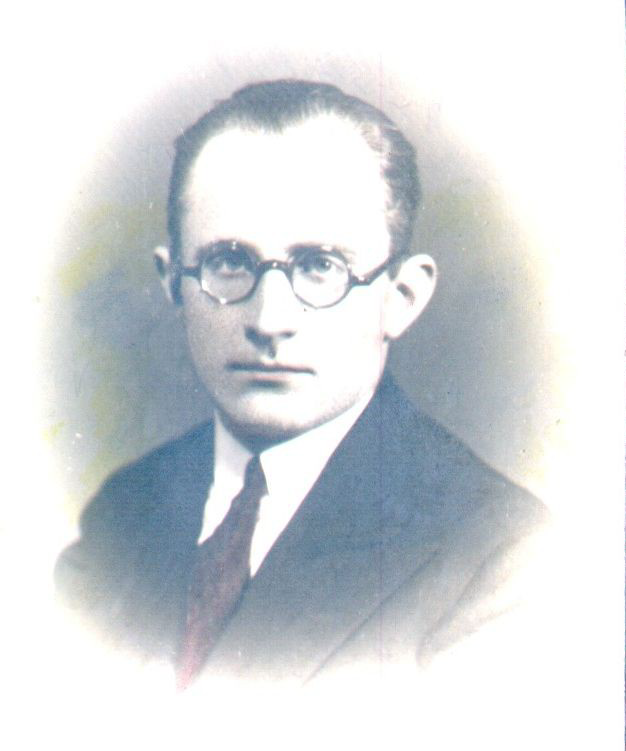
Materials collected by prof. C. Głombik (1935-2022) from family archives shed some light on Kieszkowski’s life on an exile in France. He was meeting there his former supervisor from the University of Warsaw, W. Tatarkiewicz, who was able to visit Paris several times in the sixties and considered Kieszkowski to be his best student. The letters from Tatarkiewicz to Kieszkowski’s sister, Wanda, reveal the facts concerning the details of a difficult life of a scholar on the exile. To Tatarkiewicz’s disappointed Kieszkowski was considering a turn in his focus from Renaissance studies to military history, yet he was very compassionate about his former student because he was aware of Kieszkowski’s physical and psychological limitations, resulting from his war and after war experiences. His legs, for example, were severely injured by German air raids already in 1939, he narrowly avoided amputation and throughout his life he experienced the negative effects of this until the end of his life. Communication between Tatarkiewicz and Kieszkowski was also affected by the fact that the former’s hearing was impaired and the latter spoke very quietly, as if he was afraid that someone could overhear them. Nevertheless, Kieszkowski’s works on Renaissance Platonism won recognition in the academic world and it is an interesting task to research their reception and impact.
International Workshop for Doctoral Students with participation of AΦR
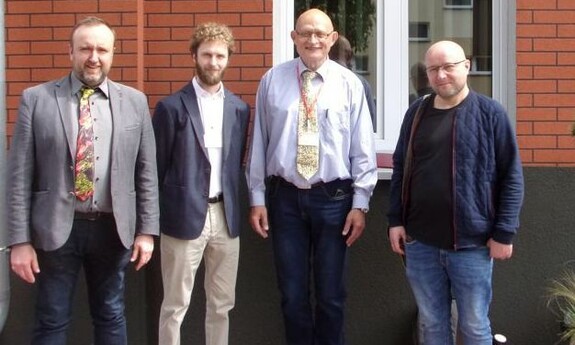
On Oct. 17th, 2022, International Workshop for Doctoral Students in Philosophy was held at the University of Zielona Góra (UZ). The meeting was organised by the Institute of Philosophy (UZ: Tomasz Mróz, Paweł Walczak) in cooperation with Faculty of Philosophy, University of Hradec Králové (UHK: Jaroslav Daneš, Michal Rigel), with a participation of the Doctoral School of Humanities and Social Sciences (UZ). Workshop took place in one of the seminar rooms in the University’s Library. The leaflet of the session’s schedule can be downloaded here. The workshop was held under the auspices of His Magnificence Rector (UZ), prof. dr hab. Wojciech Strzyżewski. The meeting was opened by the Deputy Rector for Science and International Cooperation (UZ), dr hab. inż. Marcin Mrugalski. Then the opening addresses were delivered by dr hab. Anna Wojciechowska (Head of the Doctoral School of Humanities and Social Sciences, UZ) and dr hab. Justyna Kroczak (Deputy Head of the Institute of Philosophy, UZ).
The schedule of the session was filled by the doctoral students’ papers, with a small representation of M.A. students, who presented central questions, hypotheses, and provisional structures of their dissertations. It was very interesting to learn the great variety of topics that attract attention of the young scholars nowadays, and to compare different methods and approaches applied in their research works. The topics included relations between ethics and various theories of evolution (Wai Fung Leung, UHK), comparison of Locke’s and Marx’ political theories (Vadzim Antsipau, UZ), study on Adorno’s negative dialectics (Hynek Kaplan, UHK), and an analysis of modern digital challenges for humanity (Doruk Kaynak, UHK).
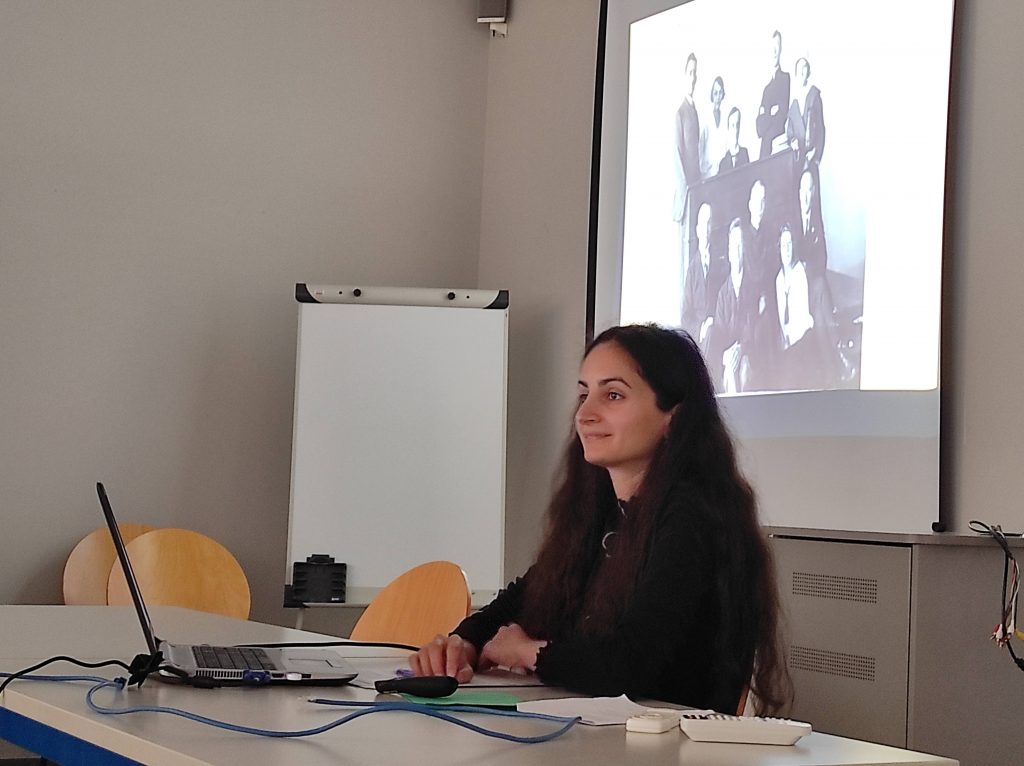
Two members of AΦR research group presented their papers, and at the same time sketched their dissertation plans. Mariam Sargsyan discussed her doctoral subject, that is, Henryk Jakubanis (1879–1949) as a Researcher of Ancient Philosophy and Its Reception. Her synthetic study will consist of a research of Jakubanis’ biography, works and his significance as a historian of philosophy. A display of some archival findings was an additional value of M. Sargsyan’s presentation.
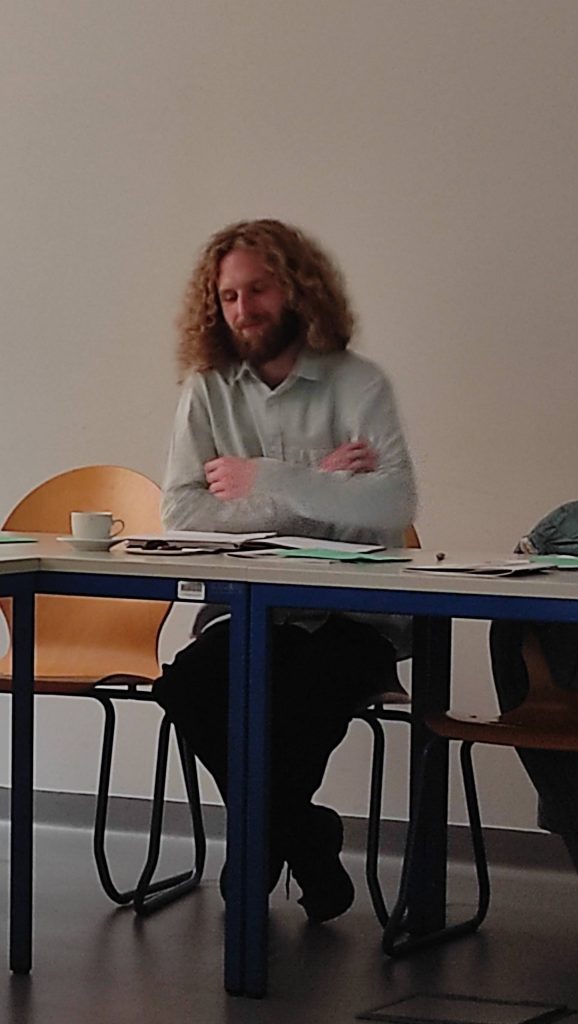
Adrian Habura’s paper was titled Aristotle as an inspiration and research subject of Władysław Tatarkiewicz (1886-1980). He presented his conclusions resulting from a detailed research in Tatarkiewicz’s writings. One of them was regarding Aristotle as the most important philosophical inspiration of Tatarkiewicz (or at least one of the most important). Habura pointed to a relations between Tatarkiewicz’s interpretation of Stagirite’s philosophy and his own philosophical investigations in the field of methodology, theory of cognition, axiology, ethics, and aesthetics. In all these fields of Habura discovered Aristotelian influences on Tatarkiewicz.
The audience consisted of the representatives of UHK & UZ, including the faculty and collaborators of the Institute of Philosophy (UZ), and Erasmus exchange students. It was a truly international meeting, in spite of the fact that the participants represented only two academic centres, for the origins of the speakers and members of the audience ranged from Czech and Polish to Chinese, Belarussian, Armenian, Turkish & Italian. At first glance, it seemed that the topics were extremely diverse, but at the end of the workshop and during informal meetings participants continued to discuss their topics. The workshop, thus, allowed the people of diverse backgrounds to meet each other and confront their ideas of doing philosophy, which is always inspiring and fruitful.
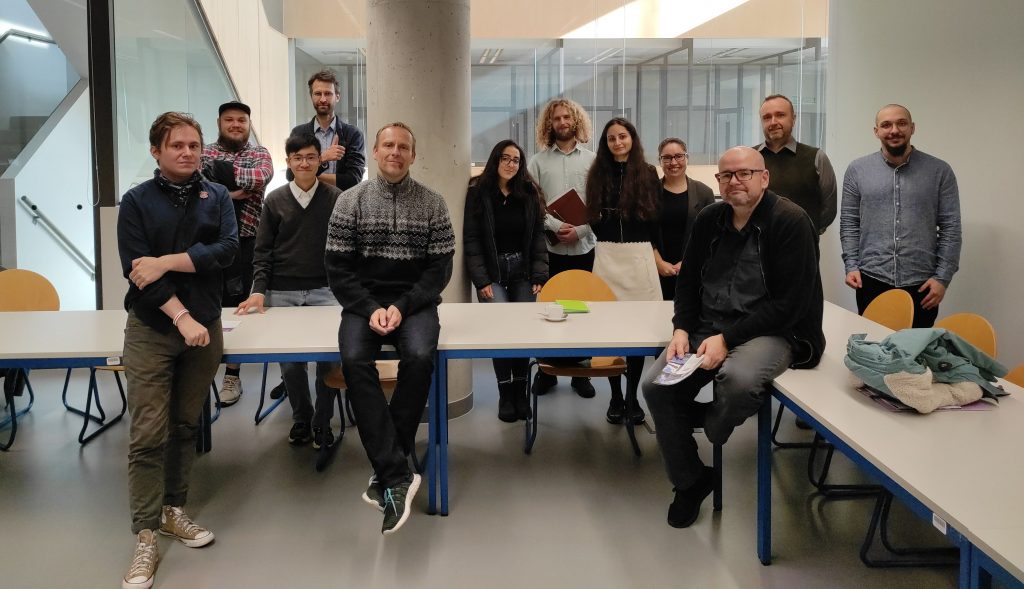
A more detailed presentation of the workshop in Polish, by A. Habura, has already been published in a monthly magazine of UZ (November [=Listopad] 2022) and available here, (pp. 38-39).
Recent commentaries