Home » Posts tagged '2022' (Page 2)
Tag Archives: 2022
Archival Survey in Special Collections of the Catholic University of Lublin
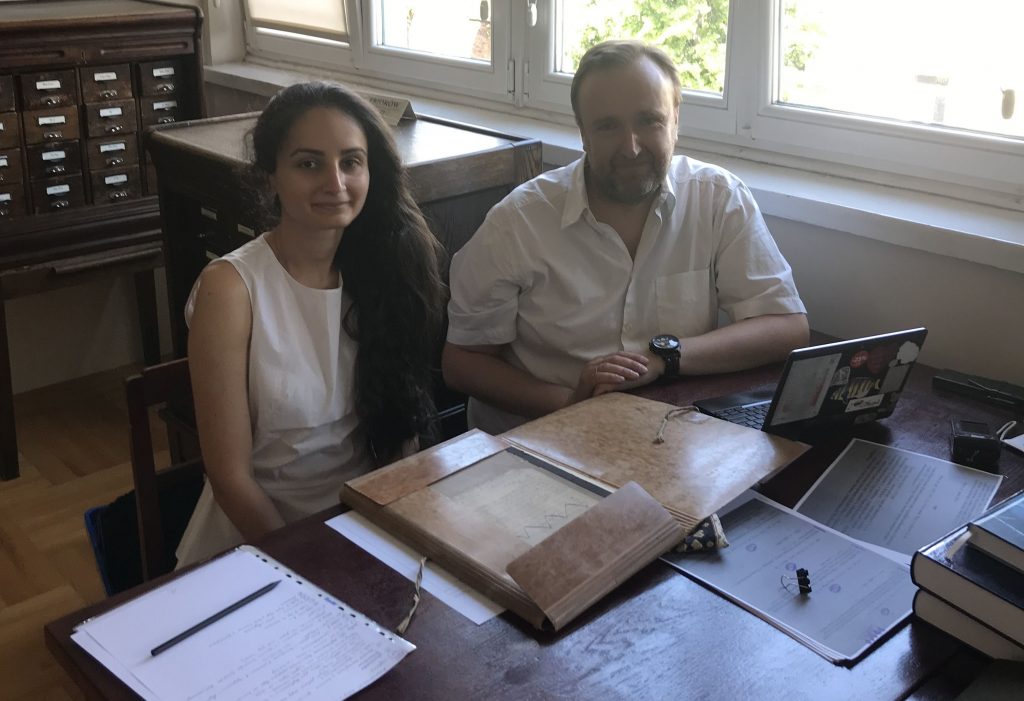
Two members of AΦR group. Mariam Sargsyan and Tomasz Mróz, took a research trip and visited Lublin to do an archival query in the Special Collections section in the University Library of the Catholic University of Lublin (KUL). Research work in Lublin took place at the turn of June and July 2022 and was focused on the legacy of Henryk Jakubanis (1879-1949), who had been a professor of KUL for over two decades, and was planned and funded as part of the doctoral project Preludium Bis 2.
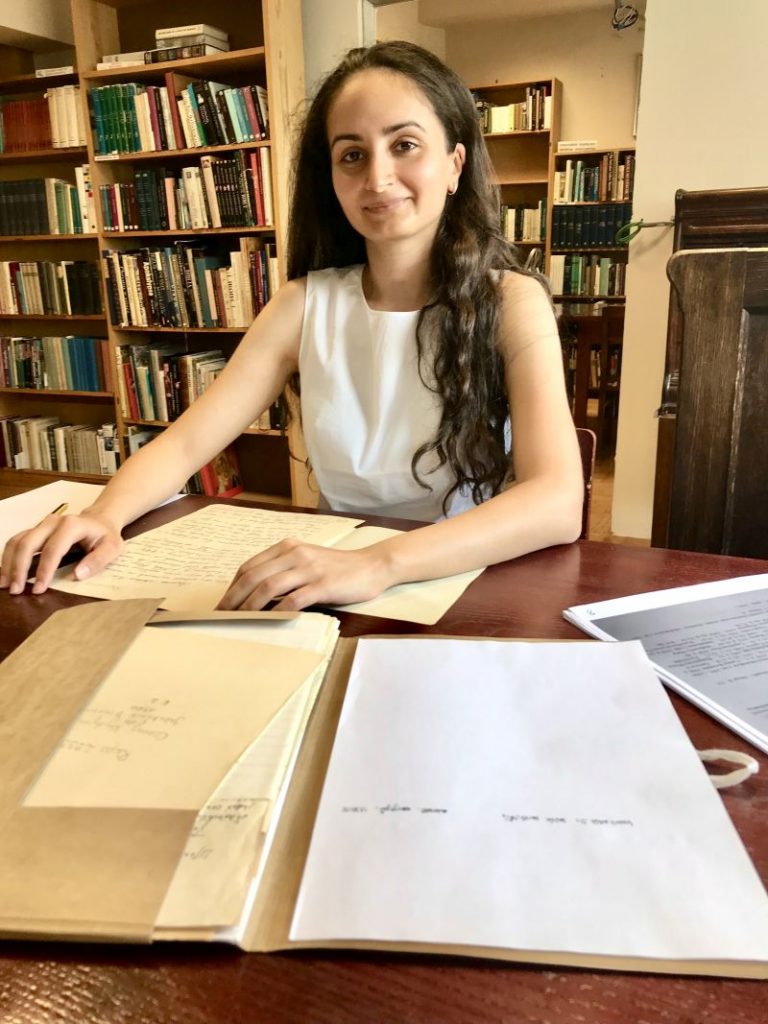
A preliminary archival survey in Jakubanis’ collections was carried out by T. Mróz in the autumn of 2010, but only now the entire collection has been searched through and it has been done by M. Sargsyan. Her doctoral thesis is devoted to Jakubanis and Lublin collections are in this regard essential. Jakubanis translated and studied ancient Greek philosophers and his work on Empedocles is his most important achievement. M. Sargsyan had a great opportunity to put her hands on the materials that have been produced and accumulated throughout the whole life of this historian of ancient philosophy, including his Kyiv period. The documents ranged from small personal details through official records, letters to manuscript drafts of his works in the history of philosophy.
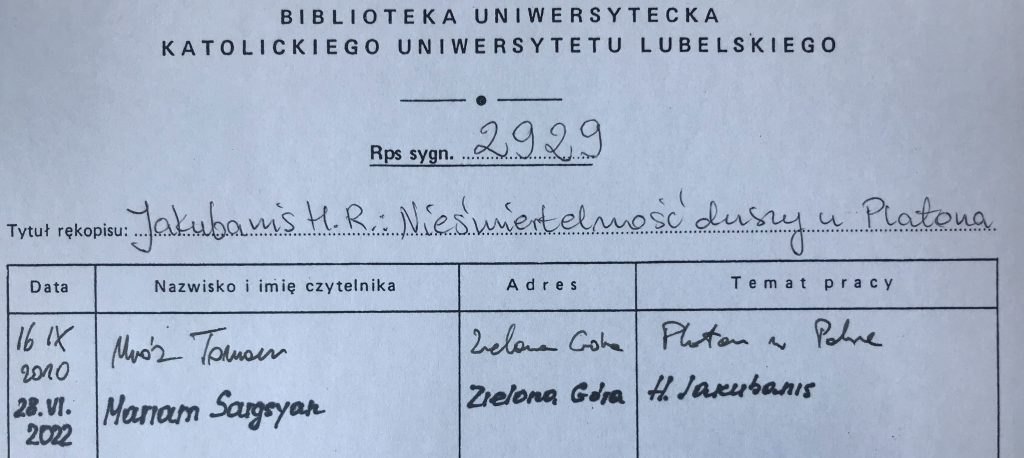
In the special collections of KUL M. Sargsyan had a unique opportunity to take her first steps in researching manuscripts and archival resources. This experience will be crucial for her further development as a historian of philosophy working in the field of AΦR. Her work was possible thanks to the consent of the Head of the KUL Library, Katarzyna Kołakowska, Ph.D., and proceeded smoothly, without difficulties for the Special Collections Reading Room staff spared no efforts to help and facilitate M. Sargsyan’s research.
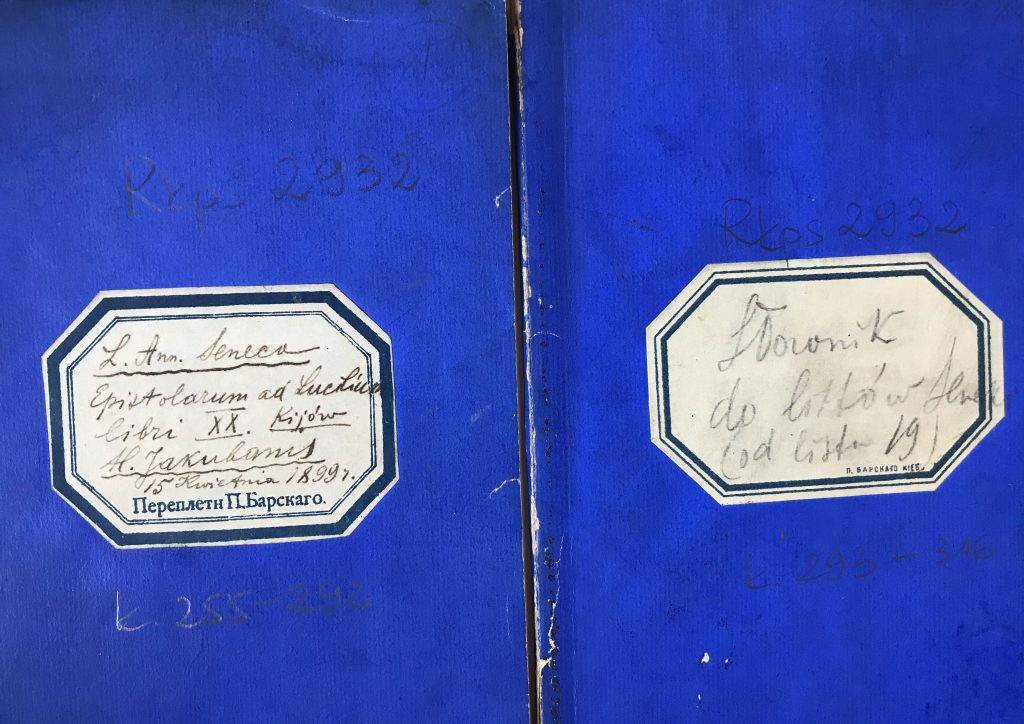
Covers of Jakubanis’ notebooks with his comments
and preparatory notes on Seneca’s letters.
History of Philosophy in Poland in Martin-Luther-Universität Halle
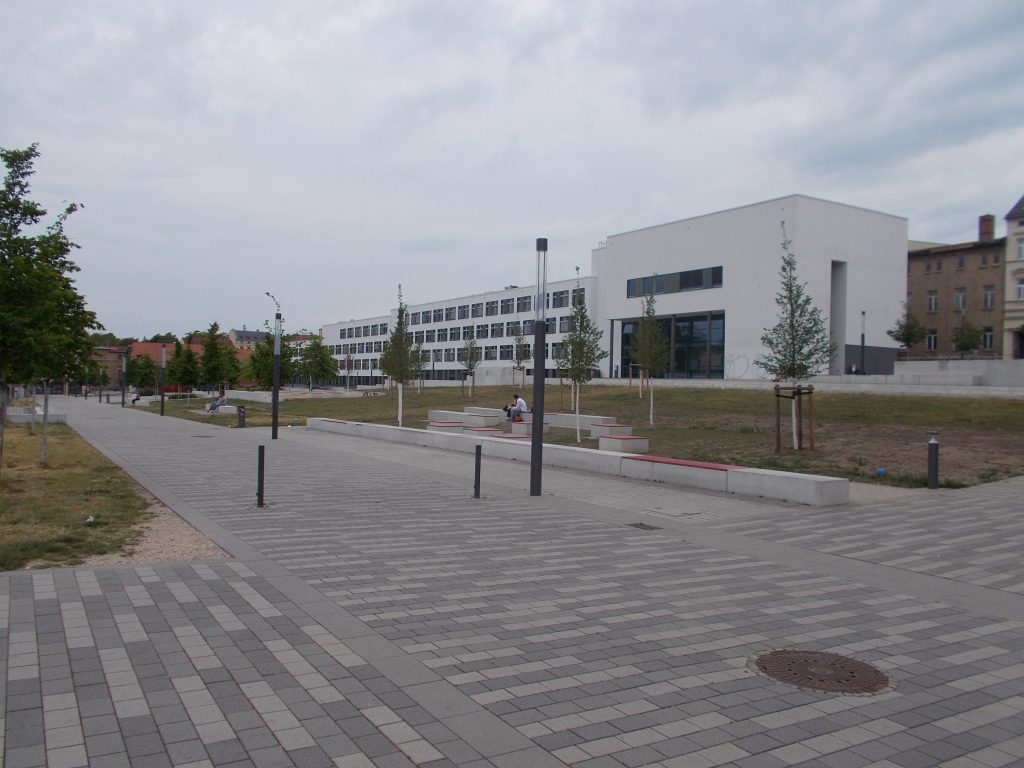
Selected Topics in the History of Philosophy in Poland was the title of the course, which was delivered in May and June 2022 by Tomasz Mróz for the students of Martin-Luther-Universität (MLU) Halle in the building of the Steintor Campus (on the left). T. Mróz was appointed at MLU as Gastprofessor (funded by Deutscher Akademischer Austauschdienst DAAD) for a month at the Aleksander-Brückner-Zentrum für Polenstudien (Institut für Geschichte).
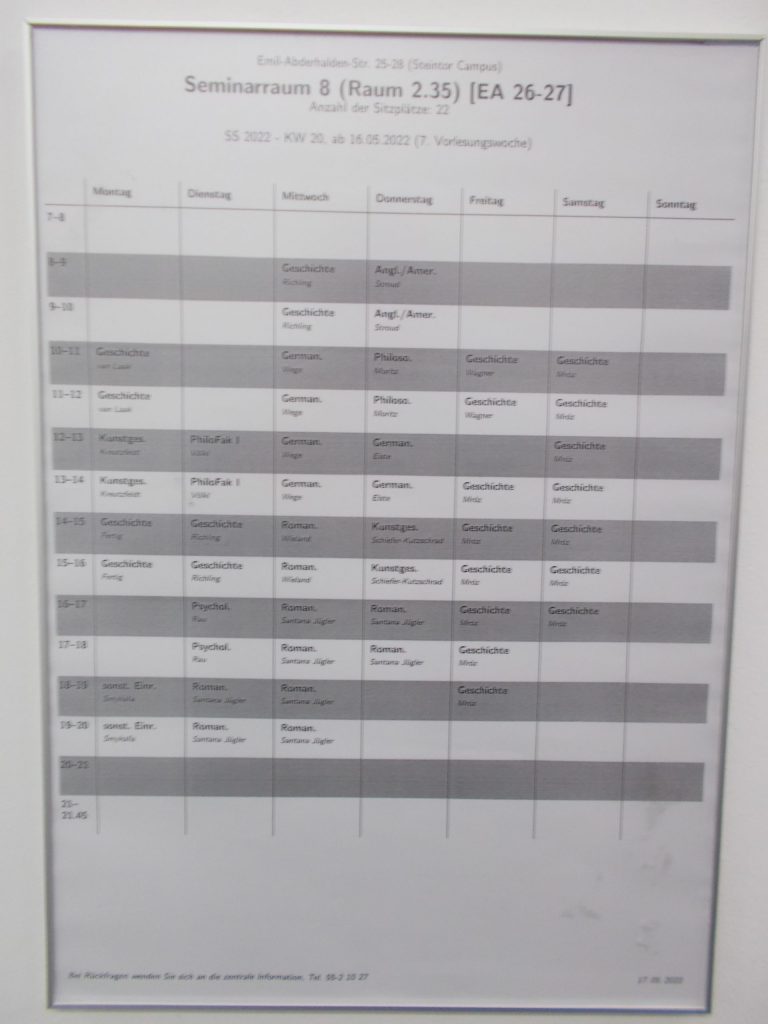
The course had a form of “Blockseminar” meetings and consisted of lectures, seminars and students’ presentations, focusing on various ideas, currents and problems in the history of philosophy in Poland. A course like this could not, obviously, do without a closer insight into some issues of ancient philosophy reception. For example, reception of Aristotle’s philosophy of nature in Vitello’s theory of demons and Pythagorean and Platonic inspirations in Copernicus were discussed. During one of the final lectures the problems of Plato reception in Poland were presented, as they were previosuly structured in the book Plato in Poland 1800-1950. The works of the following authors were briefly examined: A.I. Zabellewicz, F.A. Kozłowski, W. Tatarkiewicz, P. Semenenko, B. Limanowski, W. Dzieduszycki, E. Jarra, S. Pawlicki, W. Lutosławski, S. Lisiecki and W. Witwicki.
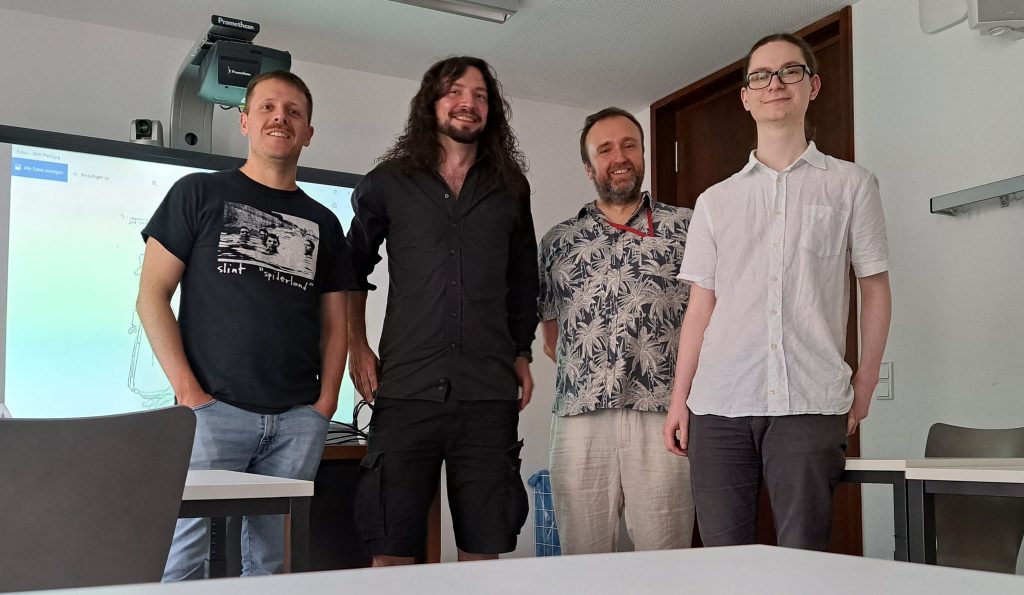
All the students attending the course in Polish philosophy should be thanked for their dilligence, co-operation and their presentations. The lectures, however, wouldn’t have taken place without the granting decision of professor Yvonne Kleinmann, who holds a chair in the East-European history at MLU and is the head of the Aleksander-Brückner-Zentrum für Polenstudien, and without co-ordinating work of doctor Paulina Gulińska-Jurgiel, to both of whom the lecturer is extremely grateful.
Plato’s Adventures with Censorship in Poland
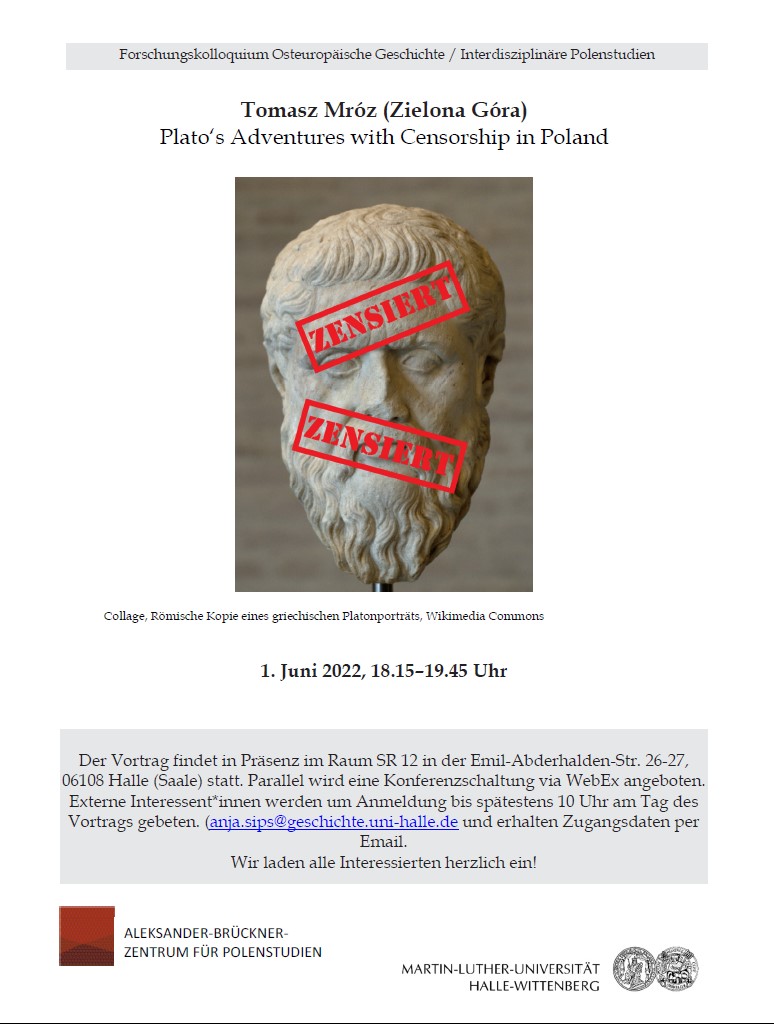
On June, 1st, a talk by Tomasz Mróz was delivered at the Interdisziplinäre Kolloquium Osteuropäische Geschichte / Polenstudien (Martin-Luther-Universität Halle). The topic of the presentation was the interference of various types of (broadly understood) censorship with Plato scholars and research on Plato in Poland. T. Mróz discussed three (and a half) cases of such interference. The talk was a supplemented and developed version of one of Mróz’s previous papers.
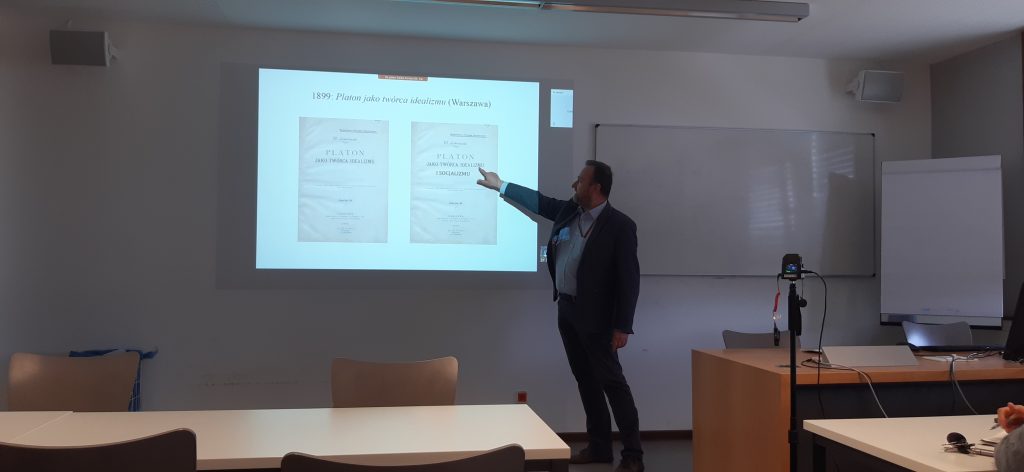
The first case of censorship was relatively harmless, for only one word, namely: socialism, was removed from the title of Wincenty Lutosławski’s book, Plato as a Creator of Idealism [and Socialism], (Warsaw 1899). Imperial Russian authorities in Warsaw removed the word “socialism” from the title and from the table of contents, without even looking into the text of his book on Plato, for “socialism” occurs on many pages, being – in Lutosławski’s view, a natural consequence of idealism.
Stanisław Lisiecki represented another case of broadly understood censorship. He was an enthusiast of Plato and a translator of his dialogues, but only his Republic saw the light of day in the interwar period, while all the remaining dialogues were left unpublished in the manuscripts. His leaving the clergy and Roman Catholic church was the most probable the reason of his difficult situation in Polish academia, for some scholars were unable to accept him as a colleague and assess his works without religious prejudice. As a result, his works were not published, but some justice in this regard has been recently done by the members of the AΦR research group.
Władysław Witwicki was more succesful in his translations of Plato’s works. Soon after the Word War II he managed to publish a small book on Plato (Plato as an Educationalist, 1947) and a translation of Plato’s Republic (1948). In the book and in his commentaries to Plato’s text, he compared the post-war reality of Poland and Plato’s political project to a concentration camp, great monastery, or a totalitarian state. Some of his remarks were censored and the second edition of the Republic (1958) appeared in print in an ideologically “corrected” version.
As the additional “half” of the censorship cases, Witwicki’s struggle with his sister, who was a Catholic nun, were presented. She tried to convince him not to criticize Catholicism in his commentaries, but he replied to her with a short comic story depicting his and Plato’s imaginary meeting with her, and Plato’s escape from holy water.
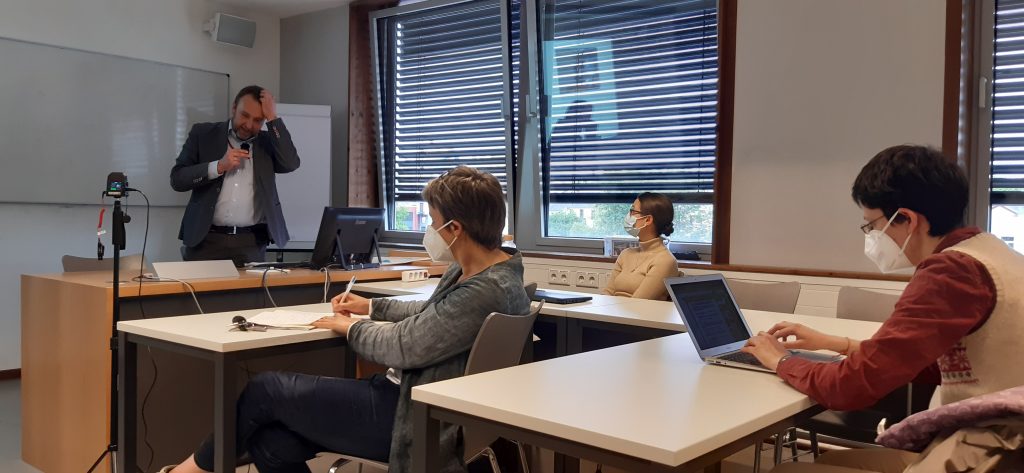
Thanks to the fact that the audience consisted of specialists in East-European history, in philosophy and in the historiography of philosophy, a wide spectrum of questions appeared and the author did his best to satisfy multi-oriented demands of the public.
T. Mróz’s stay in Halle was sponsored by Aleksander-Brückner-Zentrum für Polenstudien from the funds of Deutscher Akademischer Austauschdienst (DAAD).
Adrian Habura’s Visit at the University of Edinburgh
In the second half of April, a member of our research group, Adrian Habura, travelled to Edinburgh to visit the School of Philosophy, Psychology & Language Science (PPLS) at the University of Edinburgh and attend two conferences there.
The first conference was organized by the Northern Association for Ancient Philosophy (NAAP) and took place on the 19th and 20th of April. Habura had there an opportunity to listen to talks focused on various issues in the history of ancient philosophy and its reception. At the end of the first day, there was a special session devoted to the memory of Sarah Broadie (1941-2021), an English philosopher and expert in ancient philosophy, focusing on both ancient and contemporary ethics.
The second conference was organized by the British Society for History of Philosophy and took place in the building of the Royal Society of Edinburgh between 21th and 23th of April. Some sessions there were focused on issues in ancient philosophy. This conference too had a special section devoted to Sarah Broadie and especially to her book, Plato’s Sun-Like Good (2021).
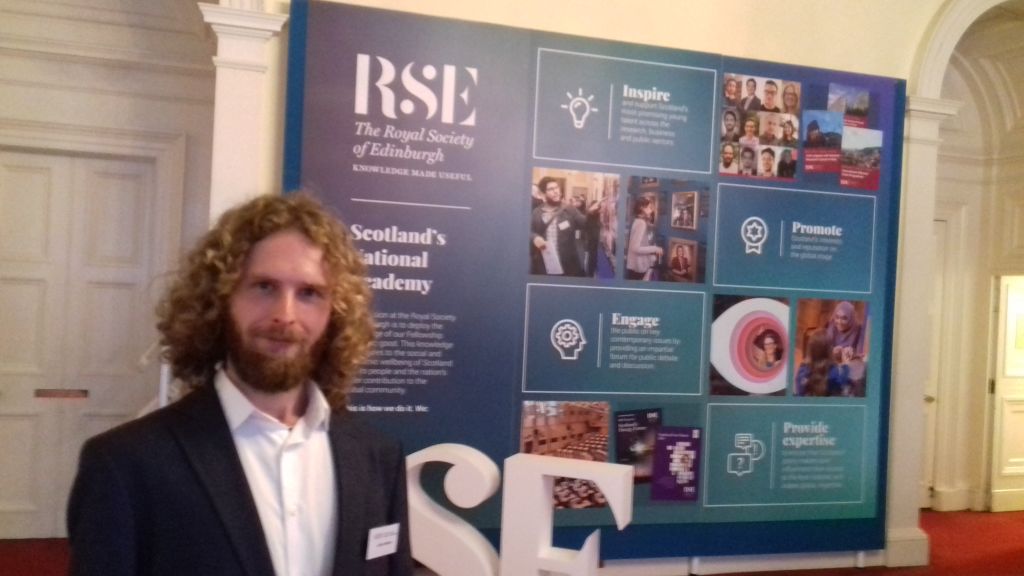
Although A. Habura did not deliver his paper at the conferences, he gave a talk: Władysław Tatarkiewicz (1886-1980). Life and Writings – Reception of Aristotle – Ethics, which was presented at the research seminar to Dr. Damian Caluori and Ph.D. students. Habura outlined Tatarkiewicz’s biography and his works referring to Aristotle’s thought. The main point was to sketch the Stagirite’s influence on Tatarkiewicz’s ethical considerations. The paper was subjected to a discussion and Habura received a valuable and helpful feedback, especially from D. Caluori.
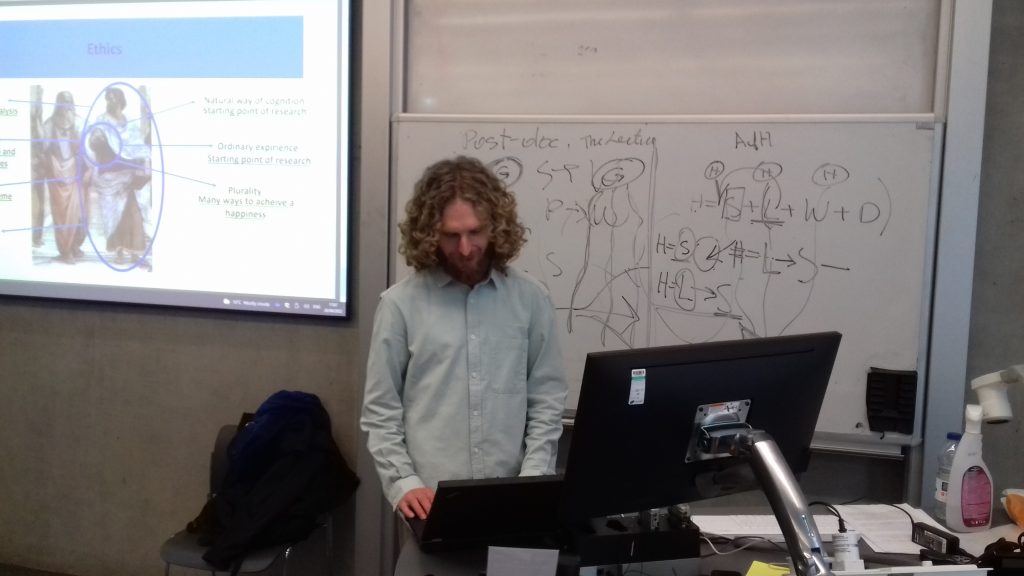
A. Habura’s visit in Edinburgh was possible thanks to the grant from The W. Bednarowski Trust, and was co-funded by the Institute of Philosophy (University of Zielona Góra, Poland) and from the overheads of the past AΦR project.
Recent commentaries